


The NCAA has reportedly sent updated guidance to schools that could tighten how international athletes are cleared for college basketball, putting fresh scrutiny on players who earned money while competing overseas. The focus is on whether prospects received payments beyond basic living expenses such as travel, accommodation and meals.
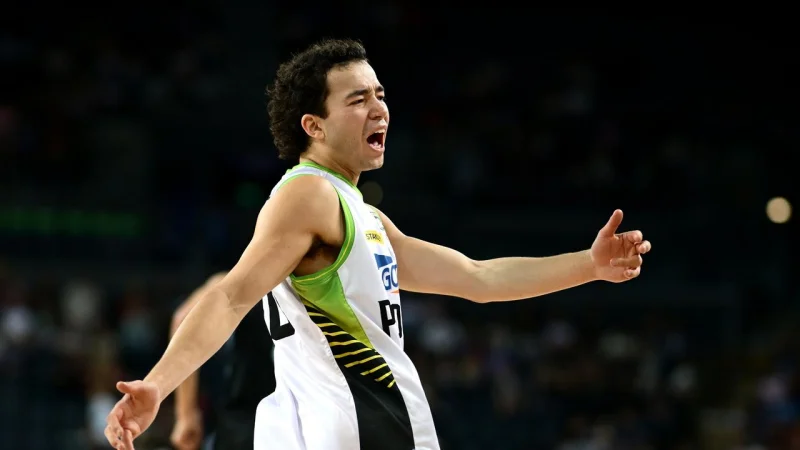
The timing matters because international recruiting has become one of the biggest trends in college basketball over the past two years, with programs aggressively chasing overseas talent and using major NIL offers to land commitments. One of the players in that wave, Owen Foxwell, committed to Wisconsin after finishing five seasons in the NBL. Foxwell is still 22-years-old and played 110 combined regular season and playoff games for the South East Melbourne Phoenix.
Another recruit drawing attention is Akoldah Gak, who committed to Oklahoma men’s basketball after several seasons in Australia’s top league and 68 NBL games. Gak, who most recently played for Capital City Go-Go in the NBA G-League, is part of a growing class of overseas prospects entering the NCAA with years of professional-style experience behind them.
That is where the uncertainty starts. International basketball development often looks very different from the traditional American route, with teenagers in Australia and across Europe training and competing alongside senior professional teams while still being treated as developmental players. Under the reported new NCAA approach, schools will have to examine whether those players were paid only for basic living costs or received additional compensation that could affect eligibility.
Ben Henshall, Tristan Devers, Dontae Russo-Nance and Mojave King are among the Australian and New Zealand players who could also be affected. Their situations show how quickly the NCAA’s new emphasis could ripple through recruiting boards, especially for programs that built plans around players who spent their teenage years in respected professional systems abroad.
The practical question now is whether schools can prove that those overseas stints fit NCAA rules, or whether some of the sport’s most sought-after international recruits will need closer review before they can take the floor next season. For programs that sold themselves on ready-made talent from abroad, the new guidance could change who stays eligible and who has to wait.
