Indianapolis weather is becoming a central storyline for the 2026 Indy 500 weekend after rain already reshaped qualifying and more showers are in the forecast before race day. Alex Palou will start from the pole for Sunday’s 110th Indianapolis 500, but teams and fans are now watching the skies as closely as the starting grid.
The race is scheduled for Sunday, May 24, with the green flag set for 12:45 p.m. ET. Before then, final practice and Carb Day activities on Friday could face interruptions from rain or thunderstorms, adding another layer of uncertainty to a month that has already been affected by weather, penalties and a major practice crash.
Indianapolis Forecast Puts Carb Day Under Pressure
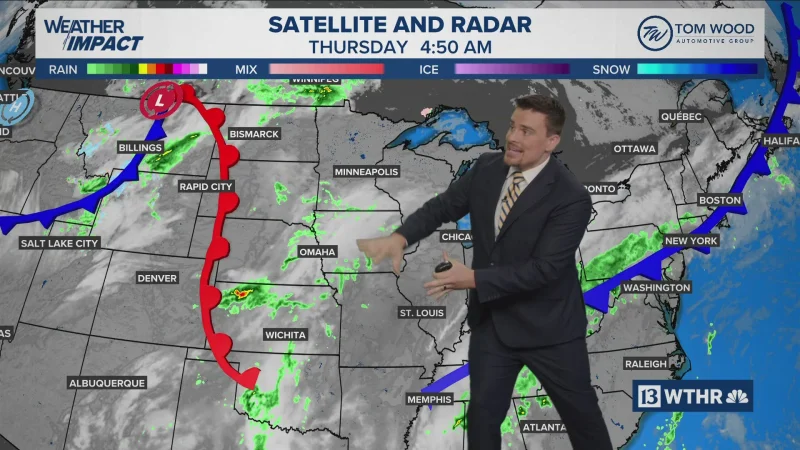
The immediate concern is Friday’s weather in Indianapolis. Conditions are expected to bring thick cloud cover, a morning shower and periods of rain or thunderstorms later in the day. That forecast could affect Carb Day, which includes the final Indy 500 practice beginning at 11 a.m. ET and the pit stop competition later in the afternoon.
Thursday’s conditions are milder but still unsettled, with cloudy skies, breezy conditions and temperatures in the upper 60s. Saturday is also expected to stay mostly cloudy with a couple of showers possible, which could complicate fan events around the city and at Indianapolis Motor Speedway.
For race teams, Friday matters most. Carb Day is the final scheduled chance to run in traffic, check race setups and make adjustments before the 500-mile race. If rain shortens or disrupts that session, engineers may have less track data to confirm how their cars will behave in traffic, on full fuel and across longer runs.
Rain Already Changed Indy 500 Qualifying
Weather has already played a major role in the 2026 Indy 500. Saturday qualifying was wiped out, forcing officials to compress the qualifying format into a single Sunday program.
That change created a demanding schedule. All cars had to qualify first, followed by the Top 12 session and then the Firestone Fast Six to decide the pole. The revised format placed extra pressure on teams to adjust quickly as track temperature and wind conditions changed through the day.
Palou handled that pressure better than anyone. The defending race winner posted a four-lap average of 232.248 mph to take pole position, putting his No. 10 Chip Ganassi Racing Honda at the front of the field. It is his second Indy 500 pole and gives him the cleanest path into Turn 1 when the field takes the green flag.
Alex Palou Leads A Fast Front Row
Palou will share the front row with Alexander Rossi and David Malukas. Rossi qualified second at 231.990 mph, while Malukas secured third at 231.877 mph, giving the front row a tight blend of Honda and Chevrolet speed.
The second row is also loaded. Felix Rosenqvist, Santino Ferrucci and Pato O’Ward will start fourth through sixth, creating a strong group of contenders behind Palou. O’Ward remains one of the most aggressive oval racers in the field, while Ferrucci has repeatedly shown comfort at Indianapolis.

Palou’s position is significant because of both speed and race control. Starting first does not guarantee command of a 200-lap race, but it reduces early traffic risk and gives his team first choice of strategy from the opening stint. For a driver already known for consistency and tire management, clean air at the start is a valuable advantage.
Post-Qualifying Penalties Changed The Grid
The starting order was adjusted after qualifying when Caio Collet and Jack Harvey were moved to the back of the grid following technical inspection issues. Their original qualifying times were disallowed because of unapproved hardware related to the energy management system covers and mounting points.
That moved Collet to 32nd and Harvey to 33rd. The penalty was especially costly for Collet, who had shown strong pace and initially appeared to have qualified inside the top 12.
Those changes matter because Indianapolis rewards track position but also allows movement through strategy, pit execution and caution timing. Starting at the rear does not end a driver’s race, but it increases early exposure to dirty air, traffic and accident risk.
Rossi Crash Adds Another Concern Before Race Day
The biggest on-track scare after qualifying came during Monday practice, when Rossi was involved in a multi-car crash with Pato O’Ward and Romain Grosjean. Rossi sustained minor injuries to his right ankle and a finger on his left hand, underwent outpatient procedures and is expected to try to return for Friday’s final practice.
That situation is important because Rossi is scheduled to start second. A backup car, missed track time or any lingering physical discomfort could affect one of the strongest front-row entries.
O’Ward and Grosjean were cleared after the crash, but the incident served as a reminder that the final week before the Indy 500 is never routine. Teams are trying to prepare race cars that will run in packs at more than 220 mph, and even a short practice session can change the competitive picture.
What The Weather Means For Sunday
The key race-day question is whether showers linger into Sunday afternoon. The current concern is higher for Friday and Saturday than for the race itself, but Indianapolis weather can shift quickly during Memorial Day weekend.
For fans, the practical issue is preparation: cloudy skies, rain gear and flexible travel timing may all matter before race day. For teams, the bigger question is whether limited dry running before Sunday leaves them with more unknowns about tire wear, balance and traffic behavior.
The Indy 500 often rewards patience as much as speed. Palou has the best starting position, but changing weather, a compressed qualifying week and limited final preparation could make the opening half of the race more unpredictable. As the field gets ready for Sunday’s 12:45 p.m. ET start, the fastest driver in qualifying may still have to beat the forecast as well as 32 rivals.