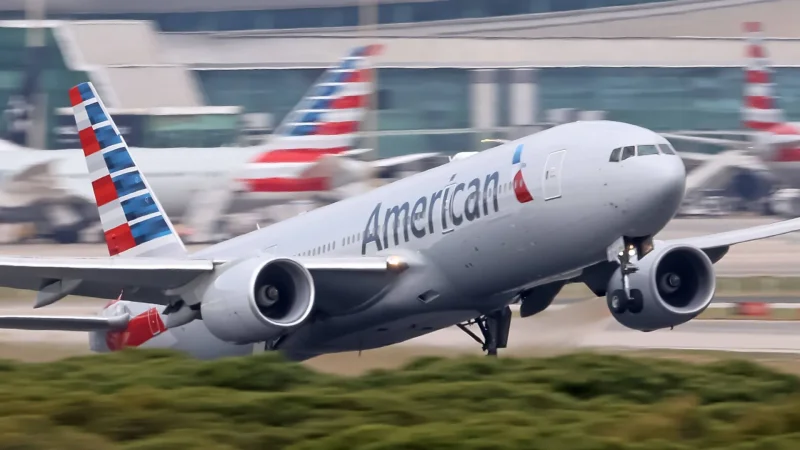
An FAA ground stop at Dallas Fort Worth International Airport disrupted American Airlines operations Wednesday as storms and heavy traffic restrictions slowed one of the busiest hubs in the United States. The stop followed days of weather-related cancellations across North Texas and left travelers facing missed connections, rolling delays and fresh uncertainty during the opening stretch of the summer travel season.
FAA Restrictions Hit DFW Airport
The Federal Aviation Administration issued traffic restrictions for DFW on Wednesday, May 21, as severe weather risks continued to affect the Dallas-Fort Worth airspace. The agency’s national airspace status page later showed only minor arrival delays at DFW, but its planning advisories still warned that a ground stop or ground delay program could return after 5 p.m. ET.
That distinction matters for passengers. A ground stop means flights bound for an airport are held at their departure points for a defined period, usually because the destination cannot safely or efficiently accept more arrivals. A ground delay program is less absolute but still disruptive, spacing out inbound traffic and assigning later arrival slots.
At a major connecting hub like DFW, even a temporary stop can create cascading effects. Aircraft arrive late, crews reach duty-time limits, gates back up and passengers miss onward flights. Because American Airlines operates its largest hub at DFW, the carrier absorbs much of the disruption when the airport slows down.
American Airlines Passengers Face Cancellations And Missed Connections
American Airlines travelers were among the most affected because of the carrier’s dominant presence at DFW. The airline issued a travel waiver for eligible customers scheduled to fly on May 21, allowing a one-time change for certain trips without the usual change fee if the new itinerary stays within the listed conditions.
That waiver gives passengers some flexibility, but it does not eliminate the practical problem of finding available seats. When storms and FAA restrictions affect a hub, rebooking becomes harder because many passengers are trying to move through the same network at once. Flights later in the day may already be full, especially on routes with limited frequency.
Travelers connecting through DFW face the highest risk. A traveler starting in Dallas may be delayed, but a connecting passenger can lose an entire itinerary if the first segment arrives too late. American generally rebooks customers after cancellations or missed connections caused by delays, but the replacement flight may not leave until later in the day or the next morning.
Weather Has Repeatedly Hit North Texas Flights
The latest DFW ground stop came after a turbulent week for North Texas aviation. Earlier storms caused hundreds of cancellations and delays at DFW and Dallas Love Field, creating residual disruption that continued to affect schedules.
Severe weather is especially difficult for DFW because the airport is both a destination and a massive transfer point. Thunderstorms can force arrival and departure routes to close, reduce the number of aircraft controllers can safely move, and require ground crews to pause ramp work when lightning is nearby.

Those limits can stay in place even after the worst weather has moved away. Airlines still have to reposition aircraft, restart boarding flows, find replacement crews and manage customers whose original plans no longer work. That is why flight boards can remain messy long after a storm line leaves the area.
What A DFW Ground Stop Means For Travelers
A ground stop does not necessarily mean the airport is closed. It usually means the FAA is temporarily holding inbound aircraft from selected departure cities or from all origins, depending on the severity of the disruption. Some departures from DFW may continue, while some arrivals may be held elsewhere.
Passengers should check their flight status directly with the airline before leaving for the airport. Airport departure boards and third-party flight trackers can be helpful, but the airline’s system usually controls rebooking, seat assignments and missed-connection options.
Travelers with tight connections through DFW should look for alternatives early. A longer connection, a different hub or a later confirmed departure may be better than trying to preserve an itinerary that is already at high risk. Passengers whose flights are canceled should review refund rights as well as rebooking options, especially if the new itinerary no longer serves their travel purpose.
Summer Travel Pressure Raises The Stakes
The disruption lands at the start of a busy travel period, when full flights leave airlines with less recovery room. American Airlines is expected to carry heavy summer traffic through DFW, and even a single day of weather restrictions can ripple into the following morning if aircraft and crews end up out of position.
DFW’s role makes the impact national rather than local. A delay in Dallas can affect passengers heading to the East Coast, West Coast, Mexico, the Caribbean and long-haul international destinations. That broad network is useful when operations run smoothly, but it spreads disruption quickly when storms shut down arrival flows.
The FAA’s warning that more restrictions could be possible later Wednesday means travelers should treat schedules as fluid. A flight showing on time early in the day can change quickly if traffic-management programs return.
What Happens Next At DFW Airport
The immediate outlook depends on weather, airspace capacity and how quickly airlines can recover from earlier delays. If storms stay clear and arrival rates improve, DFW operations could stabilize through the evening. If new storm cells develop or air traffic restrictions tighten, delays and cancellations could rise again.
For passengers, the best move is to monitor flight status, keep phones charged, watch for rebooking alerts and avoid leaving too little time for connections. American’s waiver may help some travelers move plans away from the worst disruption, but availability will vary by route.
The DFW ground stop has not created a single, fixed shutdown for the entire day. It has created a rolling operational problem at one of the country’s most important airports, with American Airlines passengers most exposed because so many of their trips run through Dallas.