


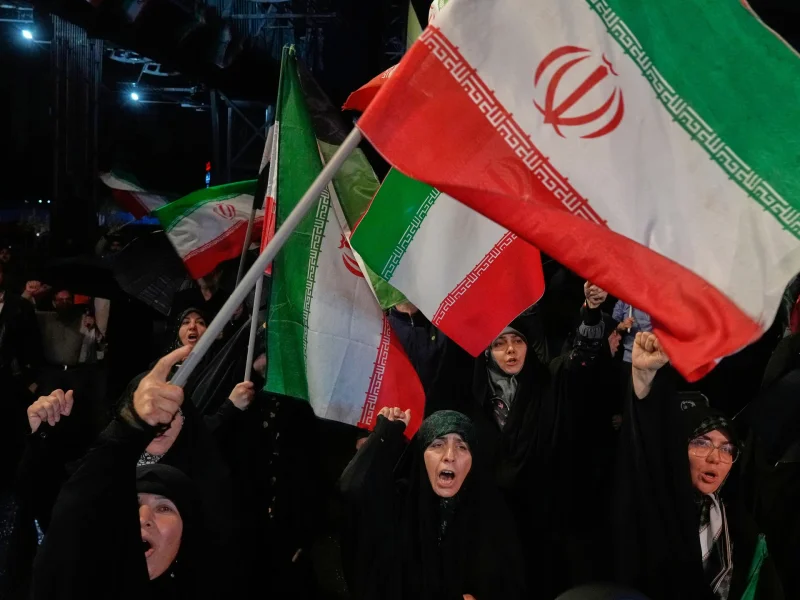
Iran coverage on Wednesday, May 20, 2026, closed its live page after tracking the US-Israel war on Iran and Israel’s attacks on Lebanon. The update marked the end of a running account that had been following one of the region’s most volatile conflicts through the day.
The page did more than tally strikes and statements. It also raised the Hormuz crisis, warning that disruptions there could trigger a global food emergency, a reminder that the conflict’s reach is no longer limited to the battlefield.
That matters because the Strait of Hormuz is a critical global chokepoint, and any widening crisis around it can ripple far beyond the Middle East. When a live war page closes with that warning still hanging over it, the message is that the story has moved from immediate updates to broader consequences.
The tension is that the immediate fighting and the longer economic threat are now intertwined. The attacks on Iran and Lebanon were the front-line events of the day, but the Hormuz warning points to a different kind of damage: pressure on food supplies if shipping and trade are hit hard enough.
For now, the live coverage is over, but the underlying conflict is not. The next question is whether the Hormuz crisis stays a warning or becomes the part of the war that changes daily life well beyond the region.
