


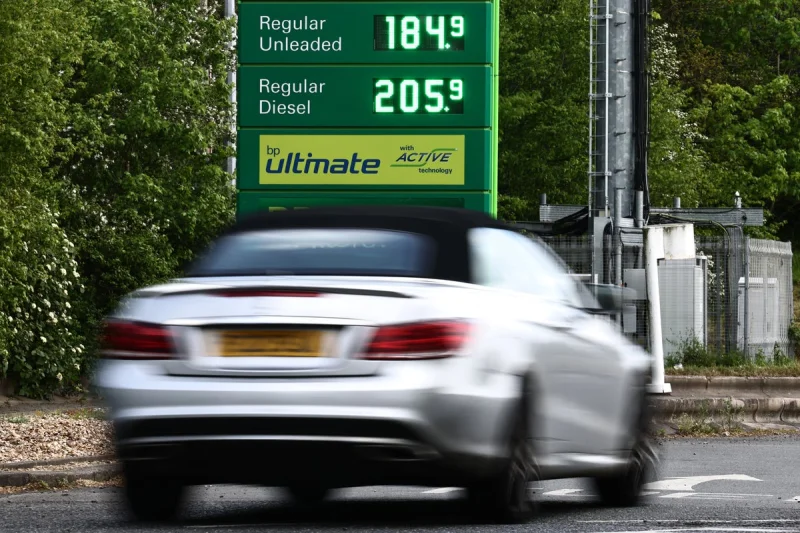
Rachel Reeves said on Thursday that the tax-free work mileage allowance will rise by 10p a mile from April 2026, a move she said would help people who have to use their cars for work, from care workers to plumbers.
The current rate is 45p a mile, so the change will lift the allowance to 55p for eligible workers. In the Commons, the Chancellor said the increase would be backdated to April 2026 and followed pressure from Labour former minister Jim McMahon and the trade union Unison.
The announcement landed as part of a wider package aimed at easing the cost-of-living squeeze. Reeves also said hauliers would get a 12-month road tax holiday for HGVs, with the typical heavy lorry saving up to £912. She said duty on red diesel would be cut by over a third until the end of this year, while VAT on summer attractions would fall from 20 per cent to 5 per cent over the school holidays.

Unison, which has campaigned for the mileage rate to be increased, welcomed the move. General secretary Andrea Egan said the change would provide immediate help for countless frontline workers in public services, especially with living costs rising again. She said people who need their own cars for work had been left thousands of pounds out of pocket for far too many years, and added that the union would keep pressing for more over the coming months.
Reeves also announced a £350 million critical chemicals resilience fund and a £120 million fund for the ceramics sector. She said import tariffs would be cut on more than 100 types of food products, and that the Great British Summer Savings scheme would include free bus travel for children in England during the school holidays in August.
The mileage change is the clearest targeted benefit in the package because it reaches workers who often cannot avoid using their own vehicles to do the job. Backdating it to April 2026 means the gain will be set from the start of the new tax year rather than left to a future review, answering one of the longest-running complaints from unions that frozen rates have left staff paying the bill themselves.
