


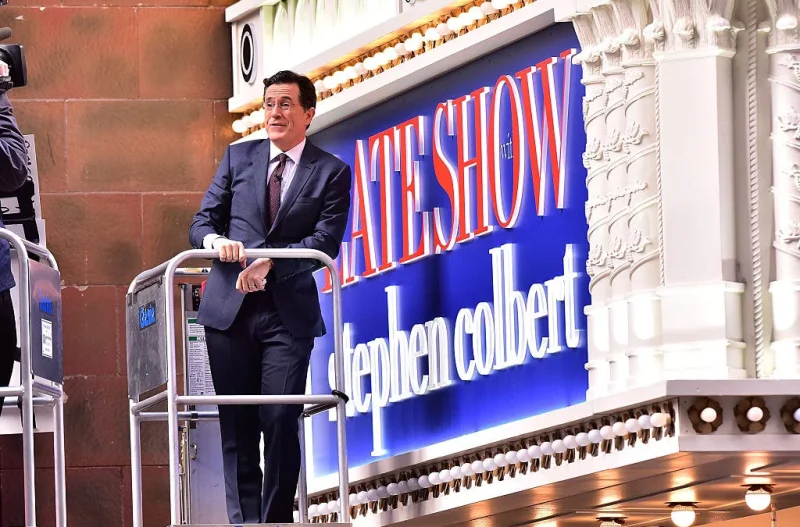
Stephen Colbert hosts his final “Late Show” tonight, ending one of the sharpest and most watched political comedy runs in American television. His exit lands at a moment when Donald Trump’s second term has been marked by what critics describe as a War on Laughter, with late-night satire under pressure in a way it has not been before.
The timing gives Colbert’s farewell unusual weight. Last year, he mocked Paramount for sending $16 million to Trump’s presidential library to settle a lawsuit Trump had filed against the company, calling the payment a “big fat bribe.” Days after that kind of public ridicule, CBS said it was canceling the show for financial reasons, insisting in a statement that the move was “purely a financial decision against a challenging backdrop in late night” and “not related in any way to the show’s performance, content or other matters happening at Paramount.”
That explanation has not settled the matter for critics of the decision, who say Trump’s proxies at CBS moved against Colbert after he spoke plainly about the deal. The network’s denial sits alongside a broader claim that political satire is now under attack in the United States as never before, with comedy shows facing pressure not only from ratings and advertising but from the political consequences of saying the wrong thing about the president.
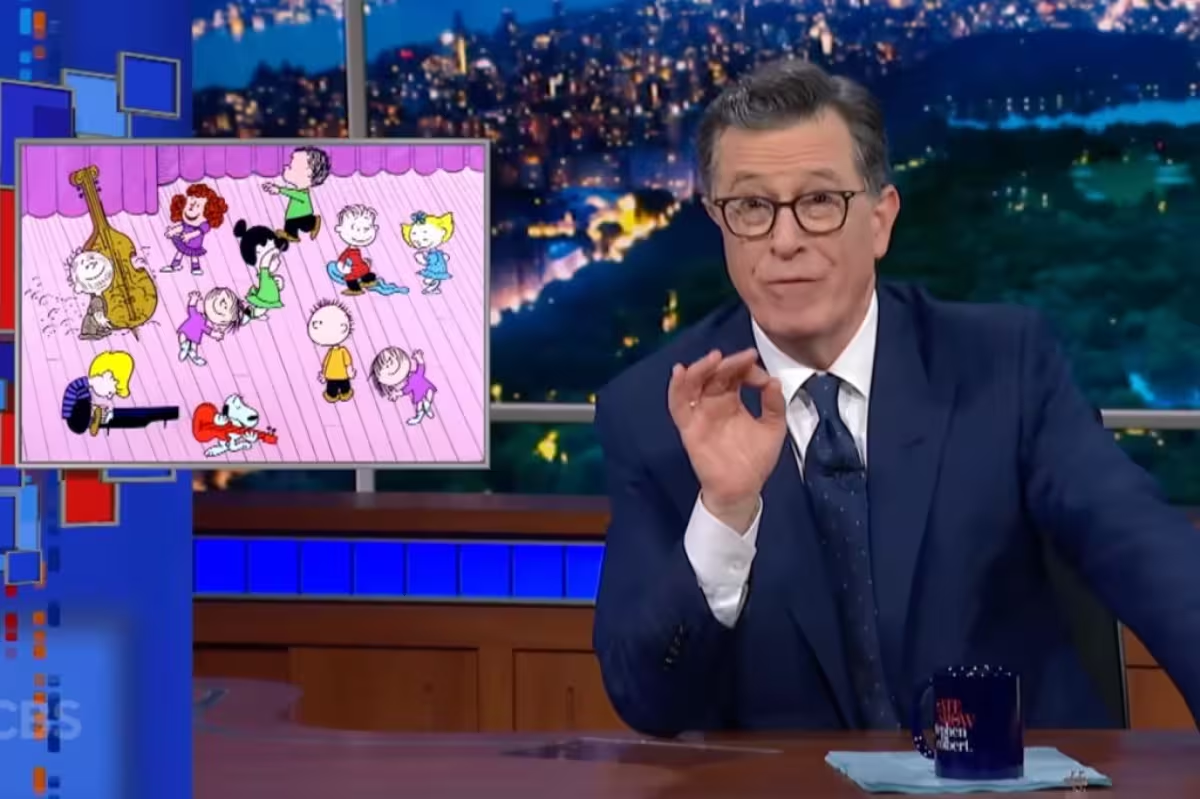
Colbert’s departure also comes after a long line of clashes between Trump and the comic world. Trump has never hidden his dislike of being mocked on “Saturday Night Live,” and the article traces his hostility to a famous moment in 2011, when Barack Obama mocked him at the White House Correspondents’ Dinner. That roast reportedly impelled Trump to run for president, turning a joke into a political turning point.
There is also a business story behind the comedy story. The payment that set off Colbert’s criticism was tied to settling a lawsuit Trump filed against Paramount, and the article says Shari Redstone wanted to keep the government from scuttling a merger that would make her richer. In that setting, the cancellation reads less like a routine scheduling decision than the latest sign of how closely entertainment, politics and corporate power can now be bound together.
Colbert is likely to move on to a new platform, where he would have more freedom and, the article says, more financial success than he had at CBS. That outcome fits the logic of the moment: if television is narrowing the space for a comedian who calls a bribe a bribe, the market for biting satire may simply shift elsewhere.
Mark Twain once said, “Against the assault of laughter nothing can stand.” Tonight, Colbert’s last broadcast answers the larger question raised by his cancellation: the joke has not gone away, but the fight over where it can be told has only grown more serious.
