


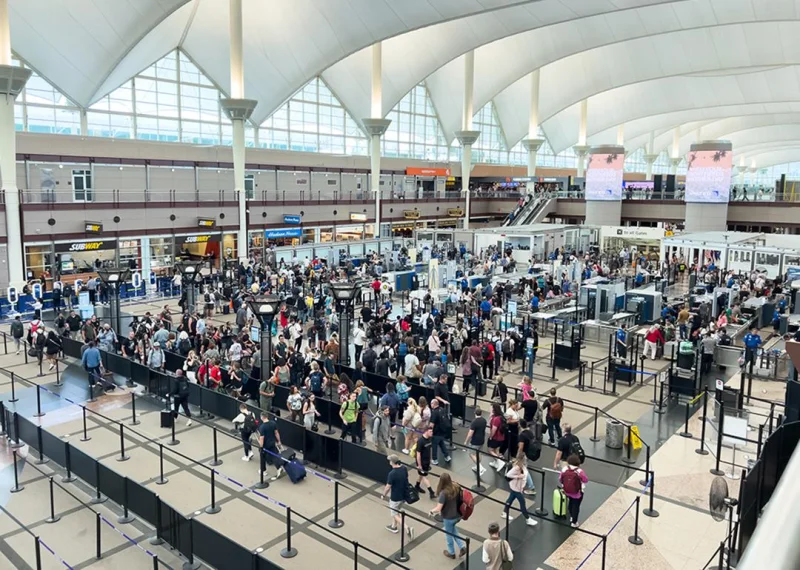
U.S. Customs and Border Protection is warning Memorial Day travelers to prepare for longer waits at key northern border crossings as the holiday weekend brings heavy road and air traffic across the United States. The advisory focuses especially on crossings in Detroit, Port Huron and Sault Ste. Marie, where officers expect more travelers entering the country during one of the busiest travel periods of the year.
Border Crossings Expected To See Holiday Delays
The warning comes as Memorial Day weekend opens the unofficial summer travel season, with millions of Americans expected to travel at least 50 miles from home. Heavy traffic is likely at airports, highways and land ports, but the northern border may be especially strained by a mix of vacationers, Canadian visitors, returning U.S. residents and cross-border shoppers.
The affected Michigan crossings include some of the busiest gateways between the United States and Canada. Detroit’s Ambassador Bridge and tunnel traffic, Port Huron’s Blue Water Bridge and the Sault Ste. Marie International Bridge can all see sharp volume increases around long weekends.
CBP’s message is not that the border is closed or that travel should be canceled. The agency is telling travelers to arrive prepared, use the correct lanes, carry proper documents and avoid bringing prohibited or undeclared items that can slow inspections for everyone.
Documents Should Be Ready Before Arrival
Travelers entering the United States should have proper identification and travel documents in hand before reaching the inspection booth. For U.S. citizens, acceptable documents can include a valid passport, passport card, Enhanced Driver’s License or a trusted traveler card such as NEXUS, depending on the type of trip and port of entry.
Non-U.S. travelers may need additional documentation, including valid visas, approved travel authorizations or I-94 records. Visitors who require an I-94 are being encouraged to complete the process online or through the official mobile app before reaching a land border crossing.
That preparation can make a meaningful difference during peak travel periods. A missing document, expired passport or traveler who is unsure of entry requirements can turn a routine inspection into a longer secondary review.
CBP Reminds Travelers To Declare Goods And Cash
The advisory also emphasizes a basic but often overlooked rule: travelers must declare what they are bringing into the United States. That includes purchases, gifts, alcohol, food, plants, agricultural products and other items acquired abroad.
Agricultural items receive particular attention because fruits, vegetables, meat, seeds, plants, soil and firewood can carry pests or diseases. Some items may be allowed after inspection, while others may be restricted or seized. Failing to declare them can lead to penalties even when the traveler did not intend to break the rules.

Travelers carrying more than $10,000 in currency or monetary instruments must also report it. Carrying that amount is not illegal by itself, but failing to declare it can lead to seizure and possible enforcement action.
Marijuana Warning Applies Even Where State Law Allows It
CBP is also reminding travelers that marijuana remains illegal under U.S. federal law. That warning applies even when a traveler is crossing into or out of a state where cannabis is legal for recreational or medical use.
The same federal rule applies at land borders, airports and other ports of entry. Travelers should not attempt to bring marijuana, cannabis products or related items across the border. Doing so can create delays, confiscation and legal consequences.
The reminder is especially relevant at the U.S.-Canada border because Canada legalized recreational cannabis nationwide, while U.S. federal law has not changed. A product that may be legal to possess in one location can still be illegal to transport across an international boundary.
Best Travel Strategy Is To Avoid Peak Pressure
The busiest road travel periods are expected Thursday and Friday afternoon, when commuters and holiday travelers overlap. Return traffic is also likely to build Monday afternoon as people head home before the workweek.
Drivers can reduce delays by checking current border wait times before departure, leaving extra time for inspection and avoiding the most crowded windows when possible. Travelers using trusted traveler programs should make sure everyone in the vehicle is eligible for the lane they choose; one ineligible passenger can force a delay or create compliance problems.
At airports, international passengers should arrive early, keep documents accessible and be ready to answer routine questions about their trip, purchases and destination. Families traveling with children should confirm documentation requirements before leaving home, especially when one parent or guardian is not present.
What The Warning Means For Memorial Day Travelers
The CBP Memorial Day travel warning is mainly a preparedness alert, not an emergency notice. The agency is trying to prevent avoidable delays by reminding travelers of rules that become more consequential when ports are crowded.
The practical takeaway is simple: bring the right documents, declare everything, do not cross with marijuana, report large amounts of cash and check wait times before choosing a route. Those steps will not eliminate holiday congestion, but they can help travelers avoid being the reason a short inspection becomes a long one.
For border communities and holiday travelers, the next several days will test staffing, traffic flow and traveler preparation. The smoother crossings will likely belong to those who treat the border stop as part of the trip, not an afterthought.
