


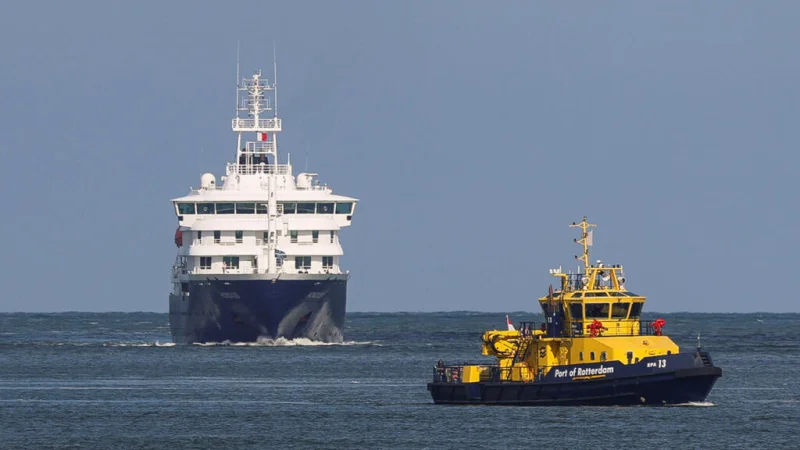
Health authorities say the hantavirus outbreak linked to the MV Hondius cruise ship has stabilized, with 11 total cases recorded and no new cases or deaths in the latest update. The ship has been docked in Rotterdam since May 18, where sanitation work is underway after a rare Andes virus cluster that killed three people and triggered international contact tracing across multiple countries.
Latest Case Count Shows No New Spread
As of May 20, the outbreak linked to the MV Hondius stood at nine confirmed cases and two probable cases. Three deaths have been associated with the cluster, which was first flagged to global health officials on May 2 after passengers developed severe respiratory illness during or after the voyage.
The absence of new cases in the latest update is an important sign, but it does not end the response. Public health teams are continuing to monitor exposed travelers because hantavirus illness can develop after an incubation period that may last days to several weeks.
Authorities have treated the outbreak with unusual caution because the strain involved is Andes virus, the only known hantavirus with documented person-to-person transmission. Most hantaviruses spread mainly through exposure to infected rodents, their droppings, urine or nesting material.
What Happened On The MV Hondius
The MV Hondius, an expedition cruise ship, had traveled from Ushuaia, Argentina, through remote South Atlantic routes before the outbreak was recognized. The first illnesses appeared during a voyage that included passengers and crew from multiple countries, making the response complex once some travelers had already disembarked.
The ship later became the focus of a multi-country health operation involving exposed passengers, crew, medical evacuations and travel monitoring. At one point, the vessel carried roughly 150 people, with additional travelers having left the ship before the outbreak was fully identified.
Some of the early cases were severe, with respiratory symptoms consistent with hantavirus pulmonary syndrome. That condition can progress quickly and may require intensive care, especially when patients develop breathing difficulty and fluid buildup in the lungs.
Why Andes Virus Is Different
Hantavirus is not a single virus but a group of related viruses carried by rodents. In the Americas, some strains can cause hantavirus pulmonary syndrome, a serious illness with a high fatality rate.
Andes virus is especially concerning because limited person-to-person spread has been documented, usually through close contact with infected patients or their bodily fluids. That makes contact tracing more urgent than it would be for many other hantavirus strains.

Health officials have emphasized that casual public risk remains low. The virus is not considered to spread like flu, measles or COVID-19. The main concern is close exposure to infected people during the symptomatic period, along with the original environmental exposure that may have introduced the virus into the travel group.
U.S. Travelers And Public Risk
U.S. health officials have monitored travelers in multiple states who may have had exposure connected to the MV Hondius outbreak. No U.S. cases tied to the cruise had been confirmed in the most recent public updates.
The broader risk to the American public remains extremely low. A separate hantavirus death recently recorded in Colorado involved a different strain associated with local deer mice and was not linked to the cruise ship outbreak. That distinction matters because the Colorado strain is not known for person-to-person spread.
People potentially exposed through the cruise have been advised to watch for symptoms such as fever, muscle aches, fatigue, cough and shortness of breath. Anyone with possible exposure who develops respiratory symptoms should seek medical care promptly and disclose the travel connection.
Ship Sanitation Continues In Rotterdam
The MV Hondius has remained in Rotterdam while sanitation and risk-reduction measures are carried out. That process is expected to include cleaning and disinfection, environmental assessment and steps to reduce any possible rodent-related exposure.
The exact origin of the outbreak has not been publicly pinned down. One leading area of inquiry is exposure before or during travel in southern South America, where Andes virus is known to circulate in rodent populations. Wet weather and changing environmental conditions in parts of Argentina have also renewed attention on how rodent populations can expand and increase human exposure risk.
Investigators are likely to examine passenger itineraries, cabins, shared spaces, medical timelines and possible exposure sites before embarkation. Because the travelers came from several countries, coordination will remain essential even if the active outbreak appears contained.
What Happens Next
The next phase is monitoring rather than emergency escalation. Health authorities will continue watching for late-developing illness among exposed passengers, crew and close contacts. If no additional cases appear through the relevant monitoring window, the outbreak response can gradually wind down.
For the cruise industry, the MV Hondius cluster is a reminder that expedition travel can bring passengers into environments where rare infections are more plausible than they are on standard resort-style routes. It also shows how quickly a health event at sea can become an international operation once travelers disperse across borders.
The current update is cautiously reassuring: the case count has not increased, the ship is under sanitation control, and public risk remains low. The outbreak is not over until monitoring is complete, but the latest data suggests the fatal cluster is no longer expanding.
