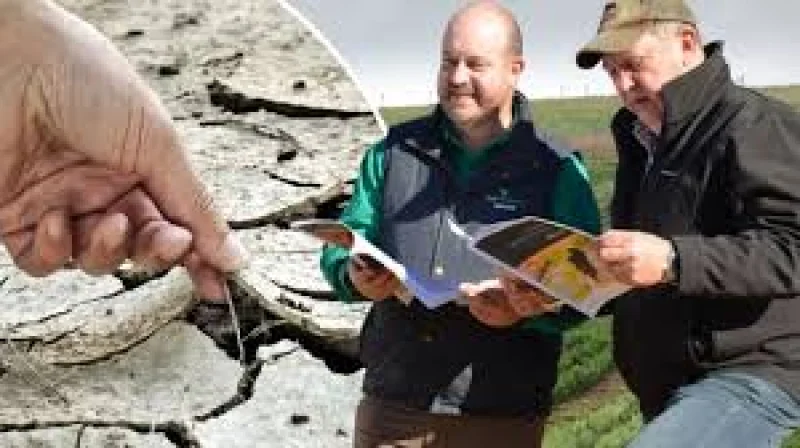
Australia’s second driest April on record has helped push cattle farmers in northern NSW and the Great Western Plains into a mass sell-off, and shoppers could soon feel it at the meat counter. Record numbers of livestock have moved through saleyards in recent weeks as drought pressure forces animals onto the market.
Gary Mortimer said the first change consumers are likely to notice is a drop in beef prices, but he warned it will not last. “When you push a lot of products into a market, there’s a lot of supply; therefore, prices fall,” he said, adding that if the meat is sold domestically and not exported, the effect could show up in a matter of weeks. “Beef is obviously a fresh product. You want to get that product into the market very quickly,” he said.
The surge in supply comes after severe drought conditions across northern NSW and the Great Western Plains region sparked the April sell-off among cattle farmers. Meantime, the broader weather and market picture is more uneven than a single price drop might suggest. Meat and Livestock Australia said the increase in livestock supply could result in lower beef prices, but it also stressed the drought is affecting only parts of NSW and is not a national issue.
Mortimer linked the current squeeze to what he has seen before in western Queensland, where drought-driven selling left prices moving sharply once too many animals hit the market at the same time. He said the pattern tends to reverse once the excess supply has been processed and sold, with prices beginning to creep up again as farmers rebuild herds. “And then as farmers start to replenish their stocks, there’s a bit of a lag time, and that’s where we start to see beef prices go up pretty high. Same as lamb prices,” he said.
Scott Cameron said consumers may see some variation in pricing, but not sudden or severe moves. “Overall, consumers may see some variation in pricing, but not sharp or immediate shifts, given the broader strength of supply and demand,” he said. He also pointed to a forecast decrease in lamb production this year, which could tighten supply further. “For consumers, impacts are expected to be moderate and gradual as Australia continues to have a strong and reliable supply of red meat nationally and strong domestic and export demand continues to support the industry overall,” he said.
The mix of drought selling, strong export demand and a likely slowdown in lamb production means the current price relief may be brief and uneven. For shoppers, the most immediate signal is likely to be cheaper beef in the coming weeks, but the broader red meat market still looks set to hold firm.