


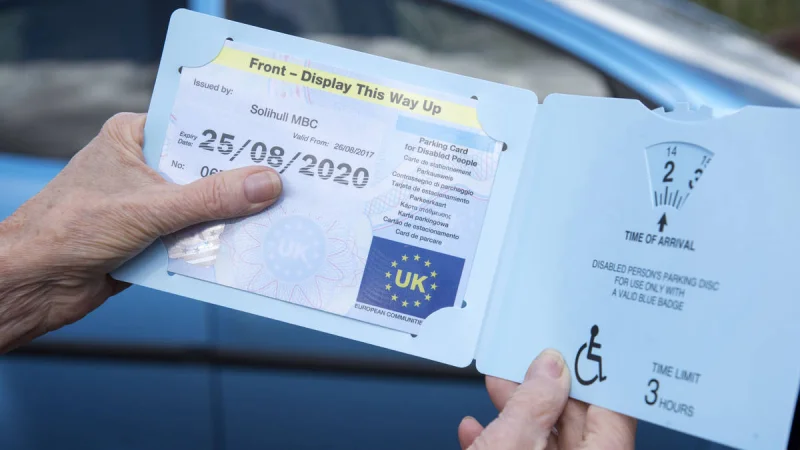
Councils are handing out blue badges to drivers with anxiety and adhd after the rules were extended to cover hidden disabilities, and the number of permits issued under that category has trebled in three years. From 18,000 in 2021, the total rose to 55,000 last year.
The badges are meant for people with serious mobility difficulties so they can park near their destination, and holders can also park on double yellow lines for up to three hours. In some cases, they may qualify for exemptions from congestion charges and tolls. Local councils decide who gets one, and applicants are usually asked for evidence such as medication records, a doctor’s note or a formal diagnosis.
The extension was designed to help people with conditions such as dementia, Parkinson’s and arthritis, but videos circulating on social media now show users coaching others on how to get a blue badge for adhd or anxiety. Some of those clips urge parents of anxious or autistic children to apply, a shift that has intensified scrutiny of how far the scheme is stretching beyond its original purpose.
Dr Becky Spelman said blue badges for adhd may give some groups an advantage rather than being accommodating, and she said she would never apply for one herself. She described the practice as “an abuse of a system designed for those with profound mobility limitations.”
The concern comes against a wider backdrop of growing recognition of adhd in Britain. An NHS report in November last year cited a study claiming 1.8 per cent of UK adults reported a professional diagnosis for the condition, and it is estimated that adhd costs the NHS around £17 billion a year. That makes access to public support a live issue, but it also sharpens the question of whether badges intended for people who cannot walk more than 50 metres are being diverted to cases the scheme was never built to serve.
The answer, for now, is that the hidden disabilities route is no longer a niche exception. It has become a fast-growing gateway into a system built for severe mobility loss, and councils are under pressure to draw a line that is clear enough to protect the people the badge was designed for.
