


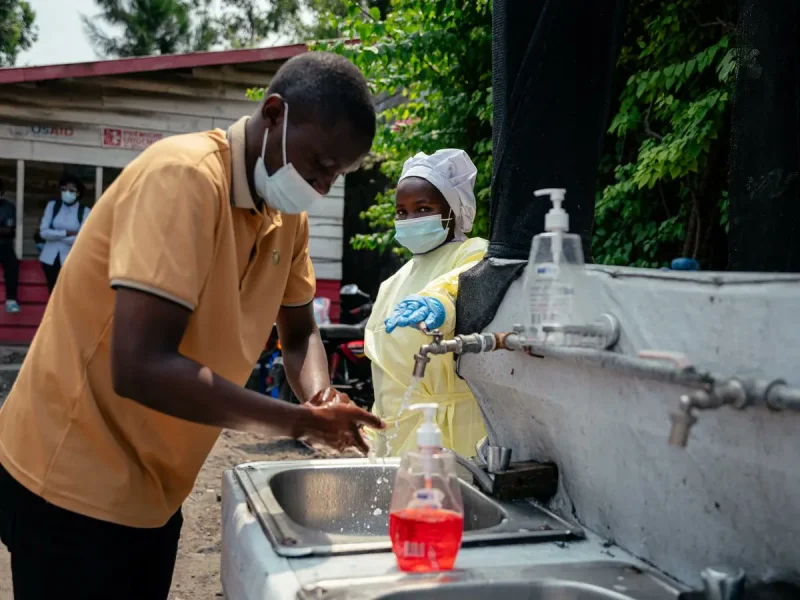
Ebola symptoms are drawing renewed attention after a Bundibugyo virus outbreak was confirmed in the Democratic Republic of the Congo and Uganda, with health officials warning that early illness can look like flu, malaria, typhoid or other common infections. The key concern is that the disease can begin with vague signs before progressing rapidly to vomiting, diarrhea, severe weakness and, in some cases, bleeding.
Early Ebola Symptoms Can Be Hard To Recognize
Ebola disease usually begins suddenly after an incubation period that can range from two to 21 days after exposure. Many patients first develop fever, fatigue, body aches, headache, sore throat and general weakness. Those early signs are sometimes described as “dry” symptoms because they appear before the heavy fluid loss that can occur later.
That early stage is difficult for clinicians and families because the symptoms overlap with many other illnesses, particularly in areas where malaria, typhoid fever, meningitis and other infections are common. A fever alone does not mean someone has Ebola. The red flag is fever or sudden illness after possible exposure to an affected area, an infected person, a contaminated body fluid, unsafe burial contact or a sick animal linked to transmission risk.
People are not considered contagious before symptoms begin. Once symptoms appear, the risk rises sharply if others come into direct contact with blood, vomit, diarrhea, sweat, saliva, urine, breast milk, semen or other body fluids from the sick person.
Vomiting, Diarrhea And Bleeding Mark More Severe Illness
As Ebola progresses, patients may develop vomiting, diarrhea, stomach pain, rash, red eyes and signs that the liver or kidneys are under stress. Severe diarrhea and vomiting can cause dangerous dehydration, shock and organ failure without rapid supportive care.
Bleeding is one of the symptoms most closely associated with Ebola in public memory, but it does not occur in every case. When it does appear, it may involve bleeding from the gums, blood in stool, unexplained bruising, bleeding at injection sites or internal bleeding. The presence of bleeding can signal more severe disease, but the absence of visible bleeding does not rule Ebola out.
In the current Bundibugyo outbreak, patients have presented with fever, generalized body pain, weakness, vomiting and some bleeding. Some deteriorated quickly, which is why rapid isolation, testing and supportive treatment are central to the response.
Current Outbreak Has Raised Global Concern
The Democratic Republic of the Congo declared its 17th Ebola outbreak on May 15, 2026, after laboratory testing confirmed Bundibugyo virus disease in Ituri Province. Uganda also confirmed imported cases in Kampala among people who had travelled from the Democratic Republic of the Congo.
By May 19, health officials said confirmed cases remained far lower than the number of suspected infections, but the figures were changing as surveillance, contact tracing and laboratory testing expanded. More than 500 suspected cases and about 130 suspected deaths had been cited in international briefings, alongside confirmed cases in the Democratic Republic of the Congo and Uganda.

The outbreak is concerning because Bundibugyo virus is a species of Ebola, past outbreaks have had high fatality rates, and there is no licensed vaccine or specific antiviral treatment approved for this strain. Early care still matters. Fluids, oxygen, blood pressure support, treatment of secondary infections and careful monitoring can improve survival.
How Ebola Spreads From Person To Person
Ebola does not spread like a cold, flu or measles. It is not considered airborne in ordinary social settings. Transmission usually requires direct contact with the body fluids of a person who is sick or has died from the disease, or with contaminated items such as bedding, clothing, needles or medical equipment.
Health workers, caregivers and family members face the highest risk when protective equipment, safe isolation and infection-control practices are not in place. Funerals can also become high-risk events when mourners touch or wash the body of a person who died from Ebola.
The virus can also move from animals to humans. Fruit bats are considered a likely natural host, and transmission has been linked to contact with infected wildlife, including non-human primates and other animals. Public health teams typically advise people in affected areas to avoid handling sick or dead animals and to report unusual deaths in the community.
When To Seek Medical Help
Anyone who develops fever, severe weakness, vomiting, diarrhea, unexplained bleeding or sudden illness within 21 days of possible exposure should contact health authorities or a medical provider before arriving at a clinic or emergency department. Calling ahead allows staff to prepare isolation precautions and protect other patients.
The most important exposure clues include recent travel to an affected area, contact with someone suspected or confirmed to have Ebola, participation in burial rituals involving a suspected victim, or work in a healthcare setting where cases are being treated.
For people outside outbreak zones with no known exposure, ordinary fever or stomach illness is much more likely to be caused by something else. Still, accurate travel and contact history is essential because early symptoms are not specific.
What Happens Next In The Response
The immediate priority is to identify cases quickly, isolate patients safely, trace contacts for 21 days and expand laboratory testing so suspected cases can be confirmed or ruled out. Medical teams are also reinforcing infection-control measures in health facilities and communicating symptoms to communities that may be at risk.
For the public, the practical message is straightforward: Ebola symptoms often begin like many common illnesses, but exposure history changes the level of concern. Fever, weakness, vomiting or diarrhea after possible contact with an affected person or outbreak area should be treated as urgent until Ebola is ruled out.
