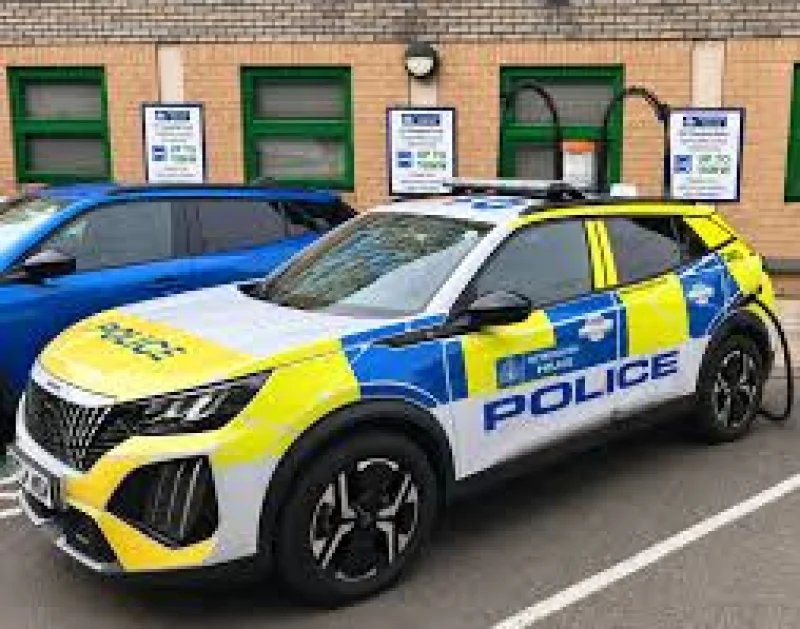
The Metropolitan Police Service has signed a new charging deal with BetterFleet, choosing the software company to manage how its fleet is charged across depots and public networks. The move gives the force a single tool to monitor new charging locations as it works toward a carbon net-zero fleet by 2030.
The Met runs about 5,500 vehicles, and almost a third are already fully electric or hybrid. In the coming year, it plans to add a further 250 electric or hybrid vehicles and motorcycles, deepening a transition that is already under way inside one of the UK’s largest bluelight fleets.
For the force, the appeal of the new arrangement is operational as much as environmental. BetterFleet software will automatically prioritise critical vehicles, allocate costs to cost centres and show the fleet team which vehicles are charging, ready or in need of attention. That matters for a unit that runs 24-hour public safety operations and has to keep vehicles moving without missing calls.
BetterFleet said its platform is built on an enterprise-grade, SOC 2-compliant architecture and is designed to meet the cybersecurity and operational demands of large, mission-critical public safety fleets. The company said it is already used in other major electrified transport operations, including a significant share of London’s Go-Ahead Group electrified bus fleet, and supports large public sector and transit operators in Toronto, Boston and Sydney.
Daniel Hilson said, “We appreciate the confidence Metropolitan Police has placed in BetterFleet, and we are excited to help them deliver high service levels while making their EV operations simpler.” He added, “We continue to be the software of choice for complex, mission-critical EV fleets, where uptime and on-time performance are crucial.”
The deal links a major policing fleet with a platform already tested in dense urban transport networks, where charging failures can quickly ripple into service disruptions. The Met’s challenge is sharper because it has to manage not just sustainability targets but response-ready vehicles that cannot wait around for a charger to free up.
The question now is execution: whether the new system can keep pace as the force adds more electric vehicles and motorcycles while maintaining coverage across depots and public charging points. For the Met, the answer will show up not in a statement but in whether the right vehicle is charged, in the right place, at the right time.