


More than half of Galicians say they have sleep problems, according to the first Barómetro sobre Trastornos del Sueño en España, presented on Monday in A Coruña. The study found that 58% of people in Galicia recognize having trouble sleeping, while 28% say those problems are recurrent and 30% describe them as occasional.
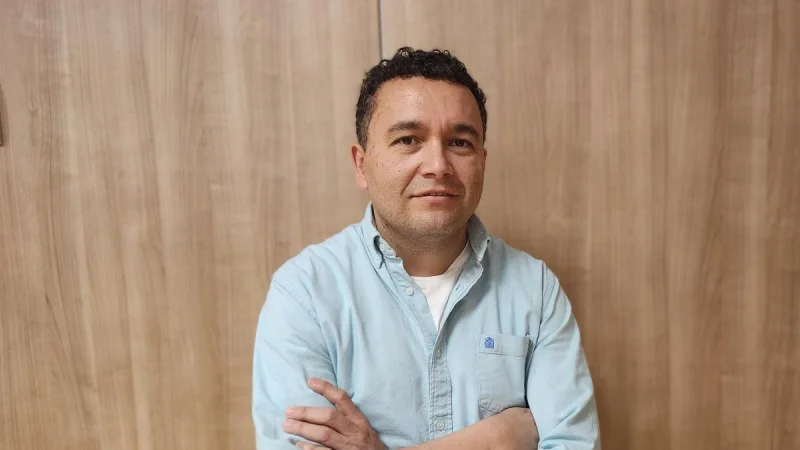
Carmen Montoto said poor sleep should not be accepted as normal. She argued that sleeping badly on a habitual basis should not be normalized, and said that small routines can produce large improvements. The message landed at a time when sleep issues are no longer being treated as a private nuisance but as a public-health concern that affects daily life, work and well-being.
The figures give that concern some weight. In Galicia, 99% of respondents said quality sleep is fundamental for health. Even so, only 18% believe sleep is cared for at the same level as food or exercise, and 64% think sleep health is not looked after enough. The study also found that 60% of Galicians sleep between seven and eight hours a day, above the national average of 56%, while 38% do not reach the minimum recommended sleep time, compared with 42% across Spain.
The presentation in A Coruña was attended by Pilar Rodríguez Ledo, who stressed the role of primary care in spotting sleep disorders early. She said it plays a fundamental role in early identification and is often the closest and most accessible professional for patients. Her point matters because the barometer is not only measuring how people sleep; it is also trying to change how easily sleep disorders are recognized and addressed.
That is where the friction in the findings lies. Galicia can call itself one of the communities that values sleep most, above the Spanish average of 96% that sees it as a source of health, yet many people still report recurring problems and many do not get enough rest. Montoto warned that behind certain symptoms there may be underdiagnosed sleep disorders that affect quality of life in a major way, which is exactly why the survey’s stated goal is to improve social awareness and knowledge about conditions such as narcolepsy.
For now, the barometer leaves a clear message: Galicians understand sleep matters, but understanding alone is not fixing the problem. The next step is whether that awareness turns into earlier medical attention, better routines and a health system that treats sleep as seriously as the study says the public already does.
