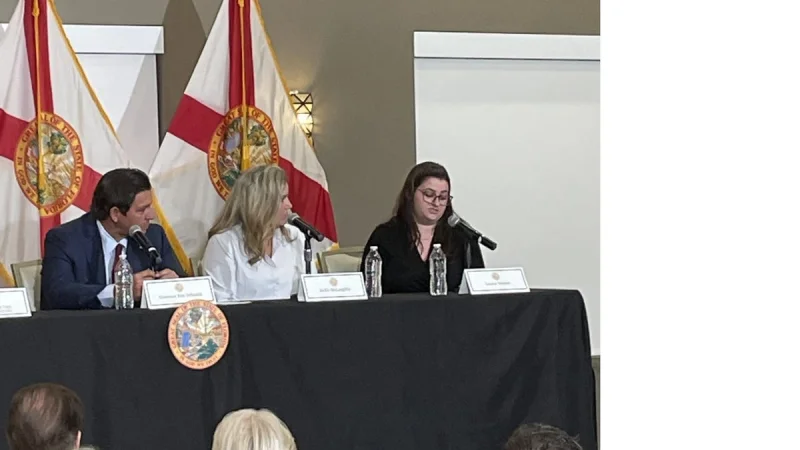
U.S. Sen. Rick Scott said he is not sold on Ron DeSantis’s plan to eliminate homestead property taxes, warning that Florida would have to explain how it would replace the revenue before asking voters to back it.
Speaking on Fox Business, Scott said, “I’d love to get rid of the property taxes. Unfortunately, you’ve got to think about what you’re going to replace it with,” adding that the state already runs efficiently and still has to pay for education, transportation and environmental protection. He said the better approach would have been to keep “chipping away” at the burden as property values rose, saying, “We reduced the millage rate as property values went up, and so we didn’t have this issue.”
The comments put Scott at odds with a proposal DeSantis has been developing as a capstone idea for his second term. The governor has said his team is “running studies” on the effects of what could be proposed, and he has floated a “phased” approach in recent days. Blaise Ingoglia, the state chief financial officer, has said the yet-to-be-unveiled plan could include a “glide path over six years,” while Lt. Gov. Jay Collins last month talked about a “one- to three-year implementation cycle.”
DeSantis has said he has until Aug. 1 to get the measure on the ballot, and the path from idea to vote is steep. Any proposal would first need 3/5 majorities in both the Florida Senate and House before reaching voters, and then would have to clear more than 60% approval in November.
The timing matters because the governor is moving while the plan is still being assembled, and the political ground around it is not settled. There has been little dialogue between DeSantis and Scott in more than seven years, and DeSantis has already warned that teacher unions, local politicians, local bureaucrats, business groups and politicians in both parties could line up against the idea.
For now, Scott’s answer is clear: he supports tax relief, but not an elimination plan that leaves Florida guessing about who pays next. That leaves DeSantis with the central test of the proposal still unresolved — whether he can persuade lawmakers and voters to trade a familiar tax stream for a replacement he has yet to fully define.