


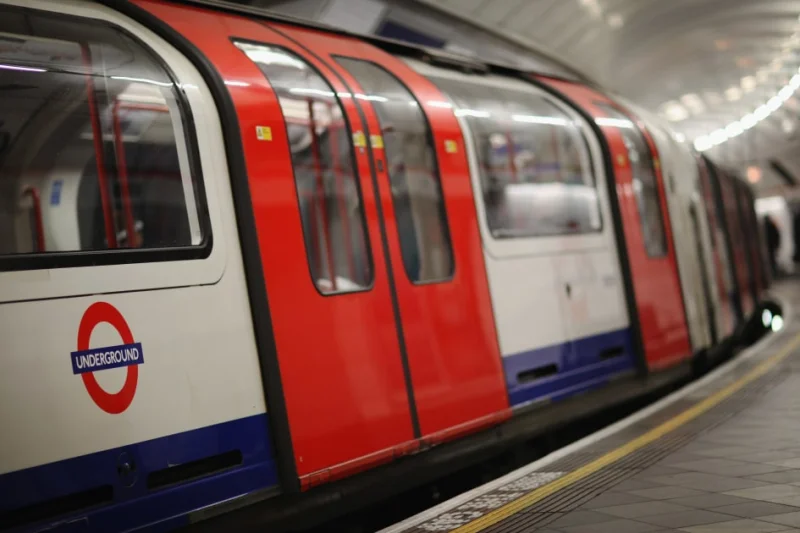
The Rail, Maritime and Transport union suspended a wave of London Underground strikes on Monday after Transport for London shifted its position in a dispute over a proposed four-day week with condensed hours. Drivers had been due to walk out for 24 hours on Tuesday and Thursday, with no service expected on the Circle and Piccadilly lines and no service on parts of the Metropolitan and Central lines.
The RMT said the move came “at the 11th hour” and would allow it to further explore members’ concerns around new rosters, fatigue and safety issues. Transport for London called the suspension “good news for London,” while London Underground said its proposal was meant to improve work-life balance for drivers and the reliability of service for customers.
The union’s decision cancels industrial action on 16 and 18 June, but fresh strikes have been called for 2 and 4 June, keeping the dispute alive. The union has said the fight is over the voluntary introduction of a four-day week, not a settled agreement, and that more action will follow if enough progress is not made.
That argument puts it at odds with Aslef, which has already accepted the voluntary compressed four-day week and says the arrangement gives participating drivers an extra 35 days off a year. Aslef has described the deal as “exactly the sort of deal every trade union should be trying to achieve” and said it delivers benefits “in return for some fairly minor changes to working conditions.”
The RMT rejects that reading. It has called the plan “a fake four-day week that amounts to five days' work compressed into four,” arguing that the pressure on staff will not disappear just because the hours are rearranged. That is the friction at the centre of the dispute: one union sees flexibility and time off, the other sees new rosters, fatigue and safety risks dressed up as a benefit.
For London commuters, the immediate threat of losing Tube services this week has receded, but the dispute has not. Londoners have already been pushed onto two wheels during a strike in September, and the broader pattern now points to more disruption unless the two sides settle the terms of the change before the next round of action arrives. Ed Richardson said many firms will already have lost out through cancelled bookings and reservations, and that with London heading into a busy summer, avoiding further strikes will be vital to keep the capital’s economy moving forward.
Nick Dent said the company was pleased that the RMT had withdrawn its planned industrial action this week, and added that the proposal for a voluntary four-day week was designed to improve both work-life balance for drivers and service reliability for customers. He said the company looked forward to further discussions on how the plan would be put into practice with all of its trade unions. Whether those talks narrow the gap between the unions, or simply delay the next walkout, will decide how much of London’s summer stays on the rails.
