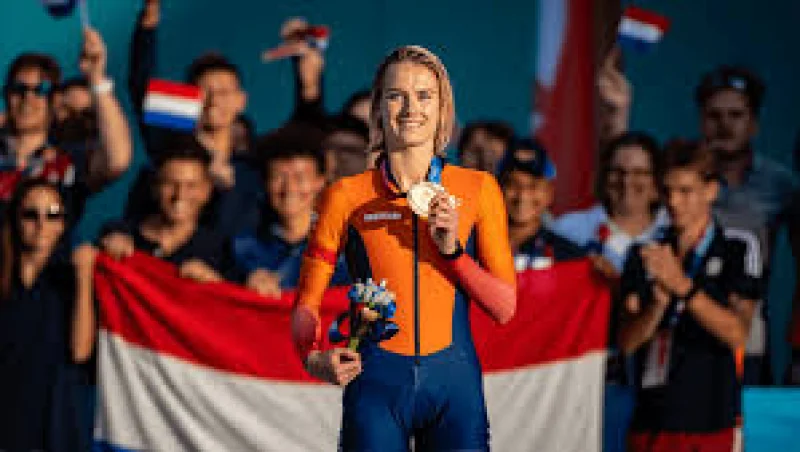
Jutta Leerdam won gold in the women’s 1000m at Milano Cortina 2026, then followed it six days later with silver in the 500m, giving the 27-year-old Dutch skater her third career Olympic medal. Her 1000m victory came in an Olympic record time of 1:12.31, and it confirmed what she had been building toward for years on the ice.
Leerdam told Olympics.com that her biggest goal goes beyond medals. She said she wants to show young girls that anything remains possible with dedication and belief, and she said she is trying to reach as many people as possible through her social media. That message sits alongside the athletic resume she has built since she was born in 1998, and long before the podiums of 2026, when she started skating at age 11 after her father suggested the sport as an outlet for her energy.
The results in Milan gave Leerdam a title that carries weight in any era: seven-time world champion. They also reinforced her place as one of the most visible figures in speed skating, where performance and profile now move together. Her approach has been described as inspired by Lindsey Vonn’s athlete branding and marketing, a model that treats the sport as both competition and communication.
That visibility matters because Leerdam is not speaking only to skating fans. She is building a public presence that travels far beyond the rink, and she is doing it while winning at the highest level. The 500m silver six days after her record-setting gold showed that her success in Milano Cortina 2026 was not a single breakout moment but a sustained run across multiple distances.
For now, Leerdam has not confirmed her plans for the French Alps 2030 Olympics. That leaves the next chapter open, even after a Games that gave her gold, silver and a larger platform than ever to push the message she says matters most: discipline, self-belief and the idea that young athletes should not let other people decide what they can become.