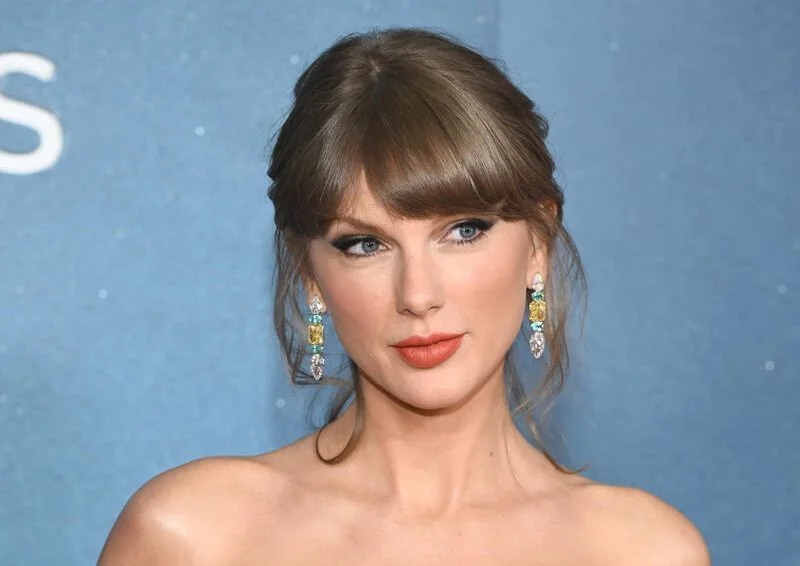
Variety has taken aim at Vanity Fair over “The Mastermind,” saying the newly published piece about Taylor Swift reads less like reporting than a stylistic stunt. On Monday, the trade publication argued that the feature’s refusal to name its subject directly, even while describing her in vivid detail, turned what was meant to be a serious profile into something awkward and distracting.
The criticism arrived quickly because the article landed as a major profile of music’s biggest superstar and was being judged almost as soon as it appeared. Variety said the piece used labels such as “The Star,” “The Machine,” “The Manager” and “The Brat” instead of names, and it noted that the same naming trick had recently been used by Olivia Nuzzi in an excerpt from “American Canto.”
That comparison is what made the reaction sting. Variety said the Vanity Fair article was extensively reported, yet it still would not say Taylor Swift’s name directly. Instead, it described the subject as the person who picked her own friends, harbored ambitions, owned three pairs of Ugg boots while posing as a teenage commoner and was popular in school. The trade publication said the result was not cleverness but failure, calling it “just a bad day for journalism.”

There was also a mismatch between the article’s secrecy and its specificity. Variety said the piece went out of its way to avoid direct naming, yet it still identified the music teacher at Wyomissing Area Junior/Senior High by first and last name and quoted several lower-level sources on the record. That blend of coy language and precise identification gave the criticism extra force, because the article was not withholding names across the board. It was choosing where to hide them.
Variety also tied the tactic to a broader pattern, saying the last big-time American journalism use of that kind of name-avoidance was in Olivia Nuzzi’s writing. In that framing, the issue is not whether a profile can be inventive. It is why a reported feature about Taylor Swift would go to such lengths to disguise the person at its center while still filling the page with details that clearly point to her.
That is the unanswered question left by the uproar: why Vanity Fair decided this story needed euphemisms at all. The criticism is not likely to fade because the piece did the one thing a celebrity profile cannot do and still expect to be taken at face value — it made the reader work to identify the subject, then asked for the authority of serious reporting anyway.