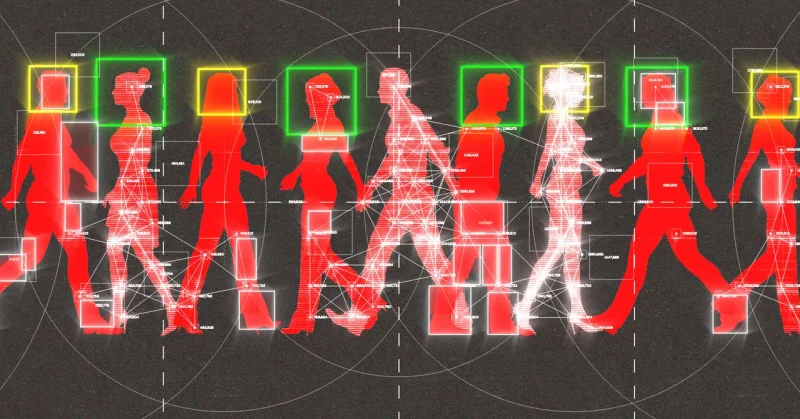
More than 3.5 billion usernames, passwords, national identity numbers and documents were left exposed online in two unrelated databases, one discovered by Greg Pollock and the other by Jeremiah Fowler. The haul stretched across dozens of countries and included data tied to people in China and to hundreds of millions of login accounts connected with mainstream United States tech platforms.
Pollock's discovery alone contained more than 1.5 billion aggregated documents and details from predominantly Chinese individuals and businesses, including at least 840 million distinct national ID numbers, 300 million phone numbers, nearly 8 million business registrations and around 11 million student enrollment records. From a sample of the files, he also found both children and deceased individuals in the data, underscoring how widely personal information had been swept up.
The reason the leak is drawing attention now is that Pollock said the database was actively being updated until the week before he found it. Before he came across it, the China-linked data sat unauthenticated and openly accessible on the open internet, meaning anyone who stumbled on the files could have viewed them without needing to break in.
That is also where the story hardens. Pollock said he tried to validate what he could while the database was still accessible, but he could not be certain about every record's fidelity. He also could not trace an owner or find contact information to notify anyone before the database became inaccessible during his investigation, leaving the question of who controlled it unanswered even as the exposed material appeared to be live and freshly updated.
The second trove, found separately by Fowler, held around 2 billion login credentials, including hundreds of millions tied to user accounts on mainstream United States tech platforms. The two databases were unrelated, but together they point to the same problem: huge collections of personal data can sit exposed long enough to become a ready-made resource for cybercrime. Pollock said personal data is personal data anywhere in the world, and that the cybercriminal world is reaping the benefit of decades of bad information security practices.
What remains unknown is whether anyone else accessed the data before it disappeared from view. What is clear is that the scale was enormous, the contents were sensitive, and the exposure was broad enough to put identity data, credentials and documents from people across the world into circulation without any obvious owner stepping in to stop it.