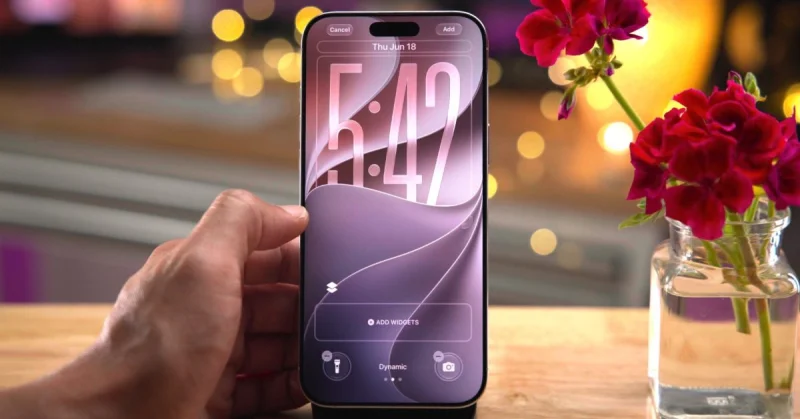
Apple’s iOS 27.3 beta release includes an unfinished personal memory system for Siri, and the code points to a new memory graph built to organize facts about a user’s life. The setup is meant to track relationships, places, routines, health, workouts, and even what motivates someone or holds them back.
That is why the iOS 27.3 new features release is drawing attention now: it moves Siri beyond simple recall and into a system that can sort personal information into memory atoms for facts, opinions, intentions, and events. Those atoms can carry details about the people, places, times, and topics involved, which makes the feature more than a search tool and less than a finished assistant.
In the code uncovered so far, one process would turn structured data into insights by reading the name fields in a user’s own contact card. Another would use an on-device AI model or Private Cloud Compute to pull insights from Siri conversations, messages, photos, and health data. But only one of those AI-driven processes is present so far, and according to pdfu, it is built around 60 built-in questions meant to identify motivations, barriers, and resources.
Pdfu says those questions include ones about routines that might interfere with adequate sleep, which shows how the system is supposed to reason about daily life rather than just store it. Yet the most basic step is still missing: there is no process that creates memory atoms yet, and nothing writes records to the separate store for explicit memories. The graph and the store are both tied to Apple’s version of the Kuzu graph database, but the second system still has empty space where records would go.
That gap matters because Siri already offers personal context understanding in Mail, Messages, and Photos, so the new system would build on something users already touch rather than introduce a separate product. The uncovered feature is still unfinished, and nothing found so far says when it will be available. Apple bought Kuzu in 2025, but the purpose of that deal was not clear when the acquisition first surfaced, and the new code suggests the company is still assembling the machinery that would make Siri’s memory system work at all.
For now, the clearest answer is that Apple has the framework in place inside iOS 27.3 beta, but not the part that makes it live. Until the memory atoms exist and the explicit-memory store starts receiving records, the feature remains a design in motion, not a tool users can actually test.