A federal judge in Massachusetts heard arguments on Friday over whether to temporarily block the Trump administration’s August memo limiting off-campus work permits for international students. The fight has already reached Stanford, where the university paused certain Curricular Practical Training applications after the guidance landed.
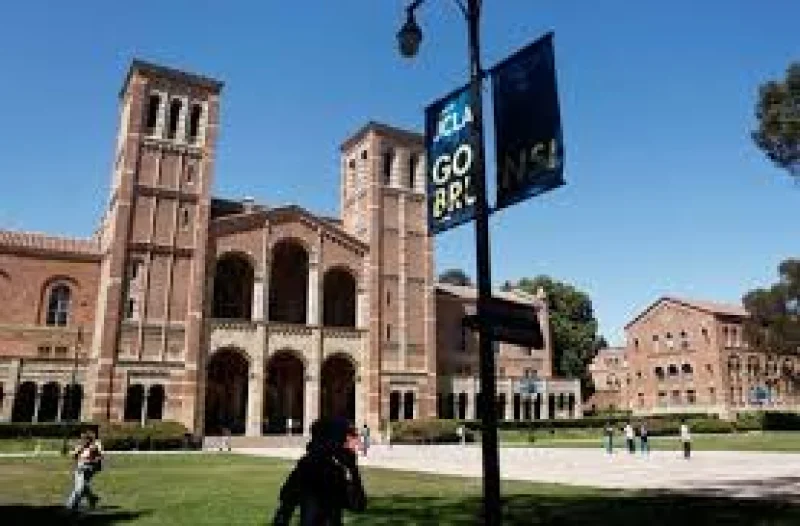
The timing matters because students are looking for answers now, not after another term has started. Stanford told international students on Sept. 1 that it would pause all CPT applications that are not required for degree completion, and that restriction is also posted on the Bechtel International Center’s website. Other schools, including UC Berkeley, UCLA and the University of Pennsylvania, have also paused or narrowed CPT approvals.
At Stanford, the issue is not abstract. The ASSU hosted an international student roundtable on Thursday to talk through eligibility for internships in the U.S., while the Undergraduate Senate is drafting proposals and consulting with the international community on possible responses. ASSU is also working with university administrators at Bechtel and the Vice Provost of Undergraduate Education on what Stanford should do if the guidance remains in place.

The Trump administration’s memo told universities to authorize off-campus work permits for international students only when an internship is an integral part of a student’s curriculum. Four higher education groups sued, arguing the move reversed a federal position that had stood for more than 35 years. They say the memo effectively ended CPT, the program that allows elective, for-credit internships for international students.
That is where Stanford’s own explanation gets complicated. The ASSU panel said the only possible exception it had identified was the Earth Systems Program, where all declared students must complete an internship to graduate. Even there, Earth Systems majors said Bechtel could not confirm whether that requirement qualifies as an exemption under the administration’s policy.
Students have another option, but it comes with a catch. Stanford international students can also use pre-Optional Practical Training for off-campus work such as summer internships, but OPT is meant for full-time work after graduation. For students who are not STEM majors, using pre-OPT can eat into most of that benefit because they do not qualify for the two-year extension on the one-year OPT.
At Friday’s hearing in Association of American Universities v. U.S. Department of Homeland Security, U.S. District Judge Julia Kobick heard arguments on the request for a preliminary injunction. The plaintiffs want a temporary block while the case proceeds, and they asked that any order apply to all of their member schools, including Stanford. Kobick took the matter under advisement without issuing a ruling, leaving universities to keep adjusting to a policy that students and administrators are still trying to decode.