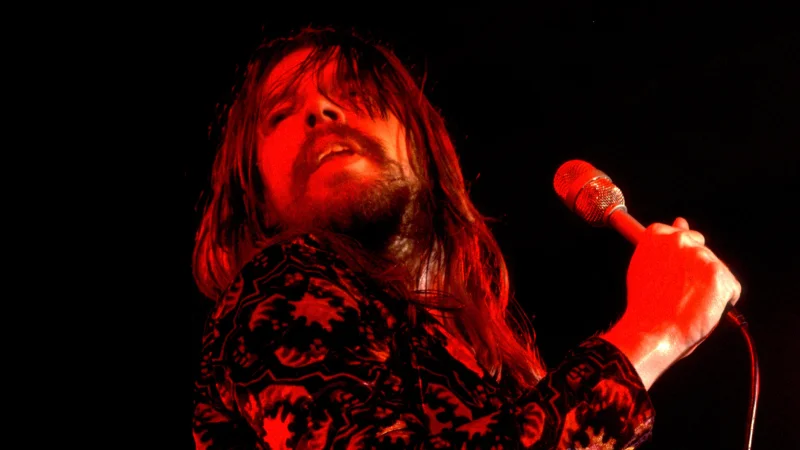
On Nov. 10, 1979, the Eagles reached No. 1 on the Billboard Hot 100 with “Heartache Tonight,” and the song became their fifth and final chart-topper. It knocked M’s “Pop Muzik” from the top spot and left Donna Summer’s “Dim All the Lights” at No. 2.
The timing made the hit feel even bigger. The Eagles were still riding the success of The Long Run, the follow-up to their 1976 album Hotel California, but the band was already fraying as exhaustion and tension built inside it. Even so, “Heartache Tonight” gave them one more clean victory on the charts before the rest of the story turned darker.
What made the song stand out was how it came together. Glenn Frey and JD Souther wrote the verses while listening to Sam Cooke records, and Frey then sang it to Bob Seger over the phone. Seger made up the chorus on the spot, the kind of quick turn that JD Souther later summed up simply: he came right in with the chorus. Frey and Don Henley finished the song, and all four men received writing credits.

That credit split makes sense on its face: the chorus was not a side note but the part that helped define the record, so the spontaneous contribution counted as much as the verses already in place. “Heartache Tonight” later won a Grammy for best rock vocal performance by a duo or group, which only underlined how well the finished track landed. The Long Run also produced three top 10 singles and went to No. 1 on the Billboard 200, but the band’s momentum was no match for what was happening behind the scenes.
Randy Meisner had already left and was replaced by Timothy B. Schmit, a change that signaled the band was no longer moving with the same ease it once had. By 1980, Glenn Frey and Don Felder were threatening each other onstage at a benefit concert for California Sen. Alan Cranston, a public display that fit the private strain already running through the group. Soon after that concert, the Eagles broke up.
So “Heartache Tonight” now stands as a final snapshot of the Eagles at full commercial power and near the end of their run. It was their last No. 1, and the record that closed the door on one of the defining bands of the 1970s.