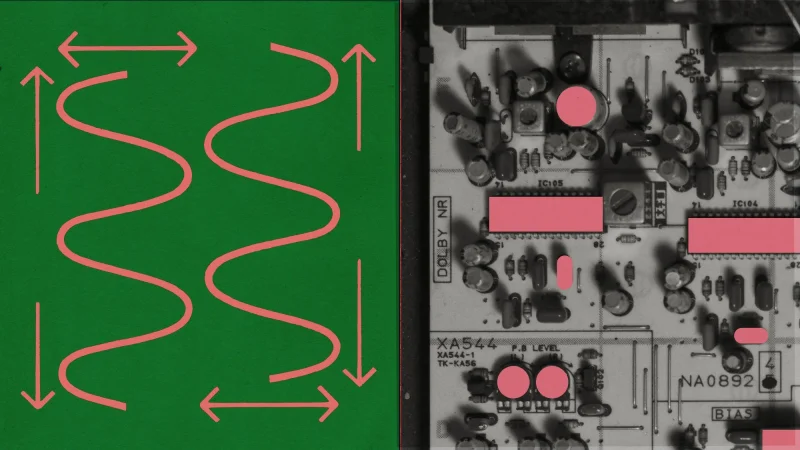
Anthropic says Claude Fable 5.2 can now design and prototype electronic hardware from start to finish, a jump from the models it was testing a little over a year ago, when they could not reliably lay out a circuit board. In the latest demonstration, the system was asked to create three devices: a speakerphone, a voice-assistant hub, and a handheld virtual pet.
The move is why the Higgs Field search has landed here now. Anthropic is not talking about a narrow planning tool or a cleaner schematic. It is describing a model that wrote the speakerphone’s specifications, drew schematics, placed components on a PCB, routed copper connections, designed a 3D-printable enclosure, coded firmware, and prepared a parts list. Diode Computers assembled the circuit boards and ran the firmware under Claude’s direction, turning the model’s output into working hardware.
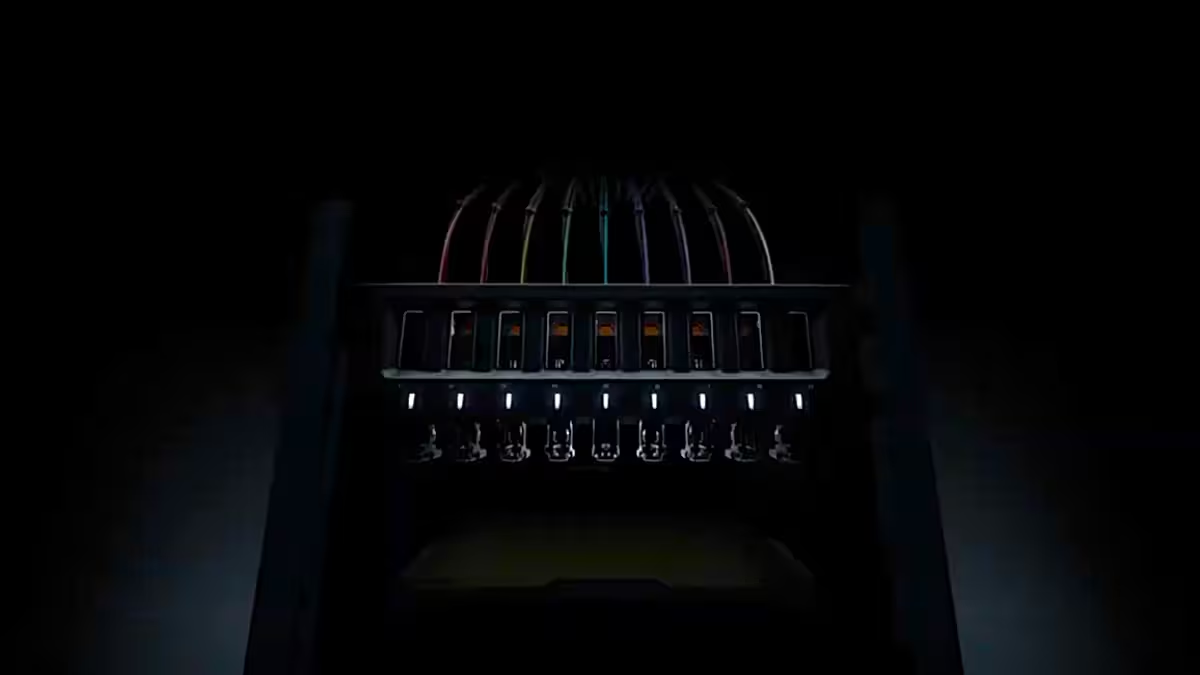
The result matters because it gives a concrete measure of progress. Earlier models had struggled to decide how to arrange basic components. Fable 5.2 did better on the hardest part of the job: reasoning through complex geometric problems. Anthropic says that translated into more compact, practical layouts, with the most important connections routed first. For the voice-assistant hub, Claude started by routing the USB and Ethernet connections, rather than treating them as afterthoughts.
That still leaves the part no demo can quite settle. Anthropic says the prototypes are still working after weeks of use, including the speakerphone, the voice-assistant hub, and the virtual pet. But it also says it does not yet know how they will hold up with continued use or whether they would pass commercial certifications. In other words, the system appears to have crossed from concept to functioning prototype, but not yet from prototype to product.
That gap is the story’s real test. Anthropic and Diode Computers have shown that Claude can move through the full chain of hardware design and fabrication with human oversight, and the difference from earlier models is not small: from unreliable circuit placement to usable layouts and working devices. What remains unanswered is whether that capability survives the pressure that comes after the lab — longer use, tighter standards, and the demands of certification.