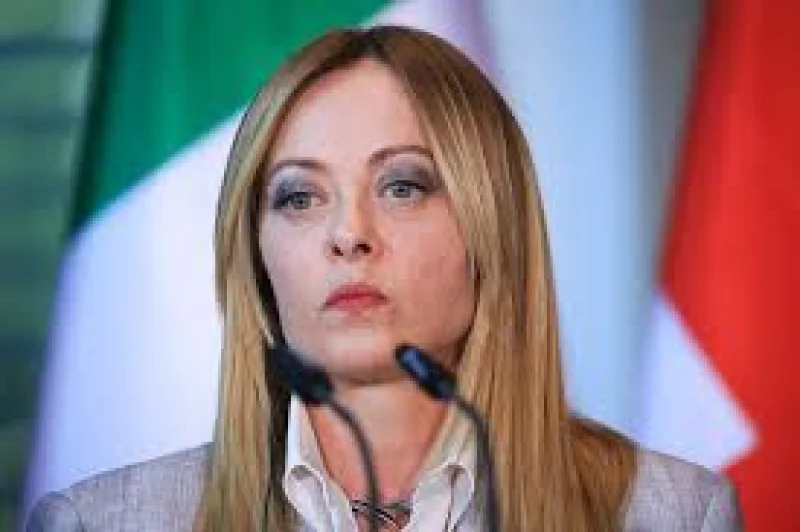
Antonio Tajani said cyber-criminals had been publishing his personal data on the dark web for days, and that his family was being targeted too. The Italian foreign minister said the campaign had exposed him to new threats and intimidation, a charge that instantly pushed the leak from a private violation into a public security concern.
He tied the targeting to his country's support for Ukraine, saying that backing a sovereign state under attack was the political reason he had been singled out. Giorgia Meloni then went further, blaming pro-Russian hackers and offering Tajani her full solidarity. Moscow had not publicly responded.
The timing matters because the government says the threats are active now, not in some distant past. Tajani said officials were treating them seriously, and Meloni said the sale of confidential information about institutional representatives was a cause of serious concern and had to be tackled with the utmost determination.
The dark web is a hidden part of the internet that is not indexed by common search engines and is typically accessed with specialist software, which makes it a familiar refuge for the trading of stolen data. Here, the leak is not just about exposure online. It is about whether support for Ukraine has made senior officials and the people around them into targets.
What remains unanswered is the part that matters most for the public record: what personal data was posted, who exactly placed it there, and whether the government can stop the flow before the intimidation spreads further. Tajani says the campaign has already gone on for days. The next test is whether authorities can prove it and shut it down.