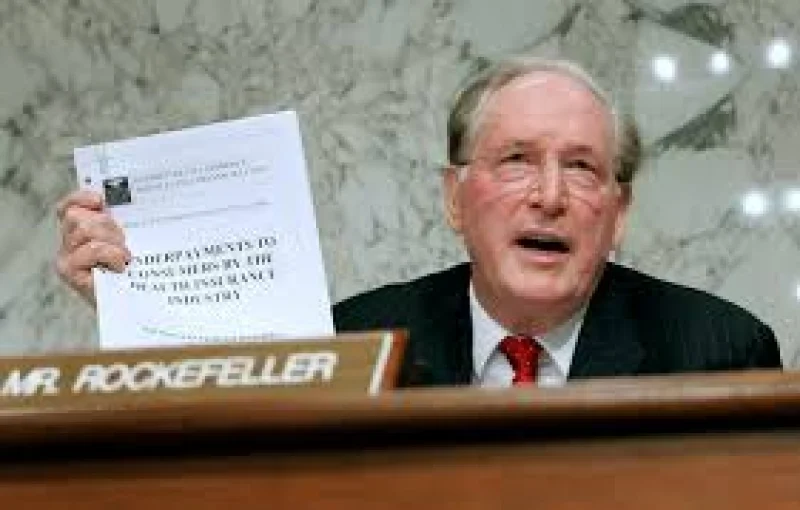
Jay Rockefeller, the former West Virginia senator and healthcare advocate, died on Friday at his home in Washington. He was 89, according to a report by The Washington Post.
His family did not provide a cause of death. For readers looking up his name now, the news lands on a figure who spent decades in public life and then stepped away quietly after announcing in 2013, at age 75, that he would not seek a sixth Senate term.
Rockefeller was elected in 1984 to the first of his five six-year terms in the US Senate after serving two terms as governor of West Virginia. In Washington, he became known for pushing to increase healthcare access, fight poverty, provide health benefits to coal miners and assist military veterans. He also had a role in shaping the program created in 1997 under which the US government helps states provide medical coverage for millions of uninsured children, backed Bill Clinton's failed drive for near-universal coverage in the 1990s and later fought for Barack Obama's healthcare overhaul law, signed in 2010.

He carried a family name that had long resonance in US politics and industry. Rockefeller was a great-grandson of John D. Rockefeller and the nephew of New York Governor Nelson Rockefeller, but his own reputation in the Senate was built less on inheritance than on a steady, often combative focus on policy. He served in a national service program in impoverished rural West Virginia from 1964 to 1966, an experience that helped shape the causes he took up later.
His record on Iraq showed the strain between early support and later judgment. He voted in 2002 for the measure authorizing the Iraq war, then later said he would have voted against it if he had known then what he knew later. As head of the Senate intelligence committee, he accused George W. Bush of taking the nation to war on false premises, and in 2008 the committee said Bush, Dick Cheney and other leading officials exaggerated intelligence findings and ignored disputes within US intelligence circles about Iraq's weapons and ties to al Qaeda.
That contradiction followed him as closely as any legislative victory. Rockefeller became one of the Senate's more persistent voices on health care and national security, yet the Iraq vote remained a reminder that even a long career built on conviction can leave one decision that never fully fades. His death closes the life of a senator who shaped debates in West Virginia and in Washington, but the unanswered detail is the simplest one: his family has not said what caused it.