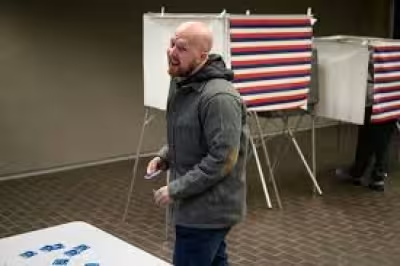
Democrats took control of both the House and Senate after the 2026 midterm elections, a result that redraws the balance of power in Washington, D.C. and puts President Donald Trump on the defensive in a Congress now run by the other party.
The win is already being measured against the 1994, 2010 and 2018 midterms, the kind of elections that reset expectations for years. In 1994, Newt Gingrich rode the Republican wave to the House speakership after Republicans had gone 40 years without controlling the chamber, and political observers now expect the 2026 result to sit in that company.
What made this year different was the breadth of the Democratic map. Democrats overperformed in House races in Trump-favored districts, overcame redistricting in Texas and Florida, and won in South Carolina and Kansas. They also captured 23 of the 35 seats favored Republicans heading into the cycle, a sign that the party did not just eke out a win but built a working majority on terrain that was supposed to be hostile.

Some of the clearest evidence came from the House. Don Leonard upset Republican Rep. Mike Carey in central Ohio, one of the races that helped turn a close contest into a chamber-wide shift. Rebecca Cooke defeated Republican Derrick Van Orden, Christina Bohannan defeated Mariannette Miller-Meeks and Fred Wellman toppled Ann Wagner, all of them part of the group of newly minted House Democrats who flipped solid GOP turf and are being counted as the true majority-makers.
That strength came from a message about affordability, and Democrats now have to prove they can move the meter on gas prices and the cost of groceries. That test matters because the party won with moderates, but the incoming class also includes DSA-affiliated members such as Darializa Avila Chevalier, Claire Valdez, Melat Kiros, Donavan McKinney and Chris Rabb, who are expected to press for Medicare for All, efforts to defund ICE and opposition to money and aid to Israel.
Trump has signaled he would veto measures he considers extreme, even as he said he could work together with Democrats on some issues. He has also been warned by Democrats that administration officials could face future inquests into alleged corruption and influence peddling, which means the first months of the new Congress could quickly become a fight over oversight as much as legislation. Sen.-elect Abdul El-Sayed is among the Democrats expected to draw attention in Washington as that agenda takes shape.
The biggest unanswered question is not who won the chambers; it is how far Democrats will go with the power they just won. They can open with oversight and accountability, or with bills aimed at affordability, but the party still has to settle the difference between the moderates who made the majority possible and the activists who want a far sharper break with Trump. The split will decide whether this victory becomes a governing turn or just another headline in a year that already changed the House and Senate.