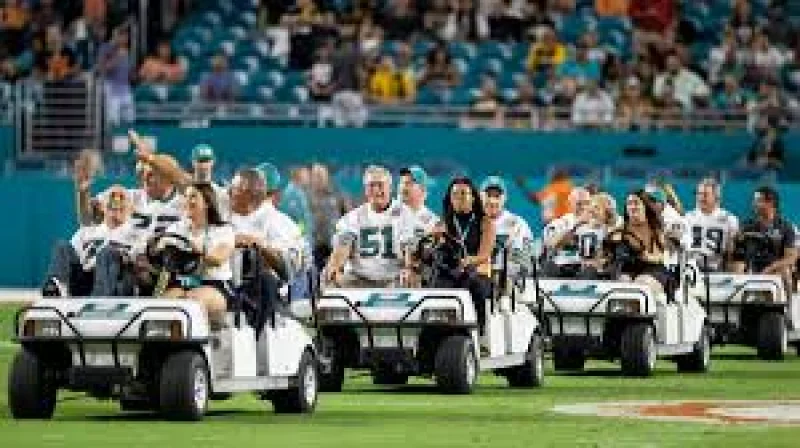
Bob Heinz, a former Miami Dolphins defensive tackle and member of the 1972 undefeated team, has died at 79. The Dolphins said Tuesday that Heinz played for them from 1969 to 1977 and was a key part of the No-Name Defense that helped define the franchise’s most famous era.
For readers searching his name now, the reason is plain: Heinz was not just on the 1972 Perfect Team, he was part of the group that still stands alone as the NFL’s only undefeated Super Bowl champion. He won two Super Bowl titles with Miami, then left behind one of the game’s clearest symbols of perfection.
The Dolphins selected Heinz with the No. 37 overall pick in the second round of the 1969 NFL Draft, after he played college football at Delta College and Pacific. By 1971, he had earned a starting role and finished that season with 3.5 sacks, then helped Miami win back-to-back Super Bowl titles in 1972 and 1973 alongside Vern Den Herder, Bill Stanfill and Manny Fernandez in the trenches.

That arc made the tribute feel especially sharp. The obituary remembered Heinz not only for football, but for the habits and loyalties that followed him home: a good cigar and bourbon, Jimmy Buffett, the San Francisco Giants, and the odd detail that he loved rooting against any NFL team trying to do what his team already had done. It is a neat contradiction, and a revealing one. A man who spent his career chasing perfection took obvious pleasure in denying it to everyone else.
Heinz married Carol Covington in 1970, and the two spent 56 years together while raising three children. The obituary said he would be remembered for his friendship, his sense of humor and his deep love for those closest to him, a reminder that the loss reaches well beyond the old Miami locker room.
Heinz finished his Dolphins tenure in 1977 and played two games for the Washington Redskins in 1978, closing a career that began with a title chase and ended as part of a team still measured against history. The only unanswered detail now is the simplest one: how Miami keeps marking the passing of the men who made 1972 untouchable, one by one, as that roster grows smaller.