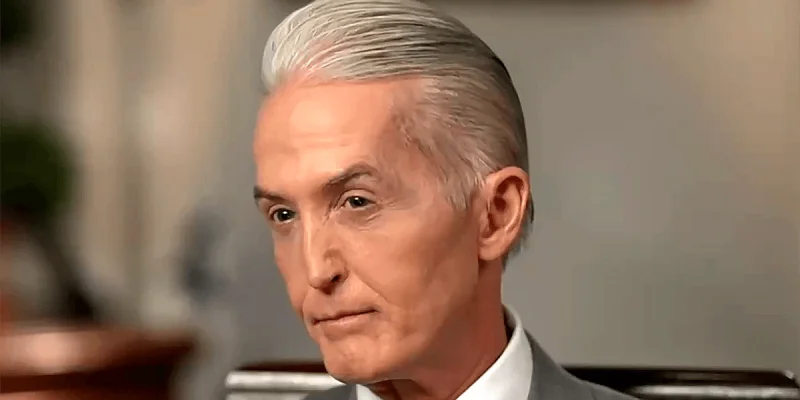
Trey Gowdy says Donald Trump backed the wrong man in Texas and spent a fortune proving it. Speaking Monday on Special Report, Gowdy mocked the decision to support Ken Paxton over John Cornyn, saying he had been lying in bed wondering how anyone could blow $500 million while trying to drag Paxton over the finish line.
The criticism lands now because the race has become the costliest Senate contest on record. AdImpact put spending at $544.5 million through Nov. 1, yet the money has not closed the polling gap: A New York Times and Siena College survey found James Talarico ahead of Paxton by 7 points, 50 percent to 43 percent.
Gowdy argued the GOP did not need to search far for a safer choice. He said Cornyn had voted with Trump 99.3 percent of the time, a loyalty record that makes Trump’s decision to endorse Paxton in the May runoff more striking. Cornyn finished first in the three-way primary before losing after Trump got involved, turning what had been a routine party decision into a costly gamble.

The money explains part of the frustration. A leaked fundraising memo in October said Paxton’s finances were in trouble, and the polling has continued to show him behind. FiftyPlusOne’s average gave Talarico a 4-point lead, while an AtlasIntel poll of more than 1,600 Texas adults from Oct. 28 to Nov. 1 found Talarico at 51.3 percent and Paxton at 45.4 percent, a 2.2-point margin of error survey that still left the Republican trailing.
Paxton’s baggage has been hard to ignore. The Texas House impeached him in 2023 over corruption allegations before the Texas Senate acquitted him, and his wife has accused him of adultery in divorce proceedings. Against that backdrop, Gowdy’s complaint is not just that Trump chose Paxton over Cornyn, but that Republicans spent record money to defend a weaker candidate while leaving the more reliable incumbent on the sidelines.
That is the unanswered question now: whether Trump’s intervention reflected judgment, loyalty, or something else entirely. What the numbers show is that the bet has not paid off on the field or in the polls, and Cornyn’s 99.3 percent voting record only makes the choice harder to explain.