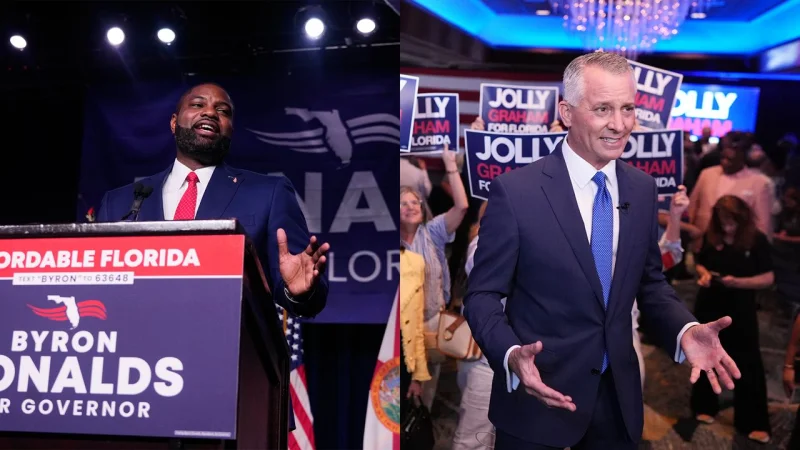
David Jolly returned to Tampa on election night and told supporters the outcome was now in voters' hands as his campaign wound down and people prepared to gather at the Tampa Convention Center. He said his team had left it all on the field, then put the night’s result in the hands of the people deciding Florida’s next governor.
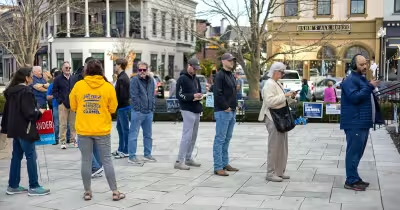
That is why the search for David Jolly Policies is happening now: voters were not waiting for a future rollout so much as for a verdict. Jolly had voted earlier in the day in Pinellas County, then came back to Tampa as the final votes were being counted and the race moved toward its closing moment.
The people around him had one issue in mind. Supporters who spoke during the final week said affordability is the biggest thing they want Jolly to address in office, a demand that cuts straight to daily life and to the question of what his governorship would look like if he wins. But the campaign never put a full policy blueprint on display in the final stretch, leaving the promise of affordability broader than the details behind it.

Jolly spent that final week trying to widen his reach, focusing on Republicans and independents as he sought support beyond the Democratic base. He said the decision to run two years ago was a family decision, and on election morning he told his wife, “We did it,” before heading to vote. That family note gave the race a personal edge, but it also showed how long the gamble had been building toward this night.
He was also unusually blunt about the math. Jolly said the numbers were against the Democratic nominee, but added that voters were about to defy history, a remark that captured both the scale of the challenge and the confidence inside his campaign. On Monday in Lakeland, Byron Donalds pointed to Republican turnout patterns from the primary season, saying early voting among Republicans had been quiet before Election Day and that 800,000 Republicans showed up on Election Day in the primaries. His comments underscored the same thing Jolly was watching from Tampa: in Florida, turnout can still change the shape of the race at the end.
For now, the question is not whether Jolly made the closing argument he wanted. It is whether voters heard the word affordability and saw enough of a governing plan behind it to carry him through the night.