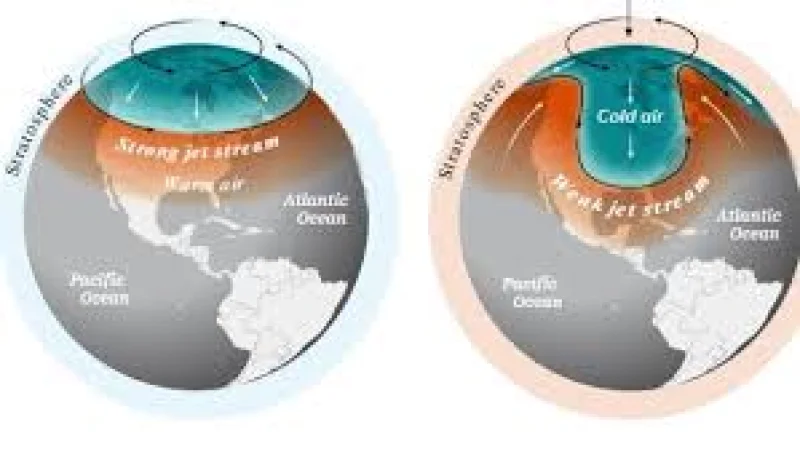
Meteorologists are watching an unusually early sudden stratospheric warming in the first week of November that could disrupt the polar vortex and, if it develops as forecast, set a record for the earliest breakdown and displacement in the modern record. Winds around the vortex are showing signs of slowing sharply and may even reverse direction completely around Nov. 4 or 5.
If that happens, the timing would beat the previous seasonal mark of around Nov. 28 by roughly three weeks. Judah Cohen said it is one of the most surprising behaviors he has ever witnessed from the polar vortex, and called the prospect unheard of for weather and climate records.
The reason people are watching this so closely is simple: early November is not when the polar vortex usually starts to falter. The polar vortex is a massive circulation of strong winds around the Arctic high in the stratosphere, and when it is strong and stable it tends to keep the coldest Arctic air bottled up near the pole. A weakening vortex can reorganize the jet stream and send pockets of frigid air south and toward the surface, which is why a disruption now could matter for winter weather patterns in New England.

The possible trigger is also unusual. Very strong El Niño conditions typically make the polar vortex more stable, yet the upper atmosphere is instead experiencing sudden stratospheric warming, with temperatures surging as much as 50 to 70 degrees in just a couple of days high in the sky. The explanation offered is that record-warm El Niño conditions are producing pockets of intense surface heating that have found their way north and vertically into the upper atmosphere.
That heating can help Rossby Waves slam into the vortex, forcing it to weaken, sag, and shed cold air. The catch is timing. Statistically, most Rossby Waves arrive during January and February, while early November is almost unheard of. Cohen compared the possible shift to Boston going from a record high of 106 degrees to 120 in a single day, saying that would be astonishing in the same way a November vortex breakdown would be.
For now, this remains a forecast, not a finished event. The latest models point to winds that could reverse around Nov. 4 or 5, but whether the disruption fully materializes and how much winter weather it ultimately changes are still open questions. What is already clear is that November, usually a month of strengthening stability in the stratosphere, may open with one of the most unusual polar vortex episodes on record.