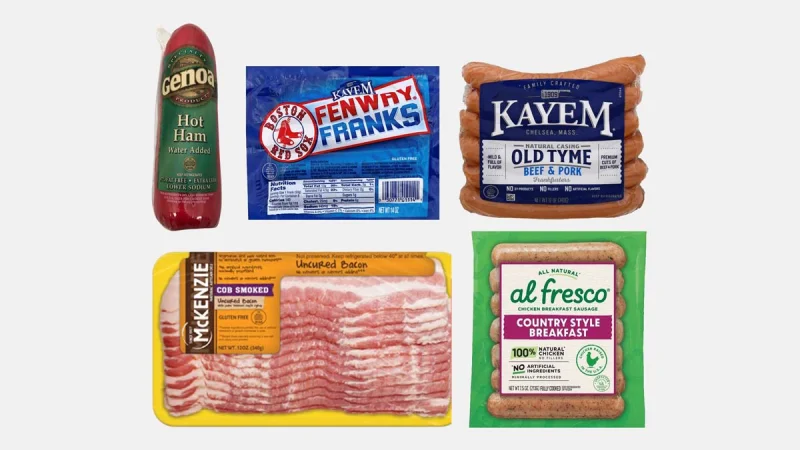
Kayem Foods has recalled about 60 ready-to-eat meat products after it discovered some of the food may not have been properly refrigerated, a problem that now reaches more than 1.5 million pounds of meat. The recall includes hot dogs, bacon, bratwurst, liverwurst and hams sold under several Kayem names.
The recall matters now because the products were sold nationwide, with most of the retailers along the Eastern Seaboard, and shoppers may still have them in fridges and freezers. Walmart said recalled items were sold in stores in Connecticut, Maine, Massachusetts, New Hampshire, New York, Pennsylvania, Rhode Island and Vermont, while Stop & Shop said affected products were sold in Massachusetts, Rhode Island and select stores in Connecticut.
Kraig Nassaz said three fans malfunctioned in the cooling system in Kayem Foods' warehouse and have since been repaired or replaced. A retail store noticed that meat had been delivered warm and alerted Kayem Foods, setting off the recall.

Products tied to the action include Kayem Old Tyme Beef & Pork Franks, Kayem Fenway Franks, Genoa Hot Ham, Al Fresco Chicken Breakfast Sausage and McKenzie Cob Smoked Bacon. Recalled packages will have EST. M/P 7839, EST. P 20935A or EST. M 9520 inside the Department of Agriculture mark of inspection stamped on the back, and consumers with questions can contact Kayem Foods Customer Service at 800-426-6100 or [email protected].
There is a plain next step for anyone who bought the meat: throw it out or return it to the store for a refund. James E. Rogers said even cooked meats must be properly refrigerated, and he said all foods, including meats and even cooked meats, should be stored at about 37° F inside a fridge.
The part that makes the recall harder to dismiss is that the fans were fixed, but more than 1.5 million pounds of product are still covered because they may not have been kept cold enough. No injuries or illnesses have been reported, but the question for shoppers is not whether the warehouse problem is over; it is whether any of the recalled packages are still sitting in their kitchen.