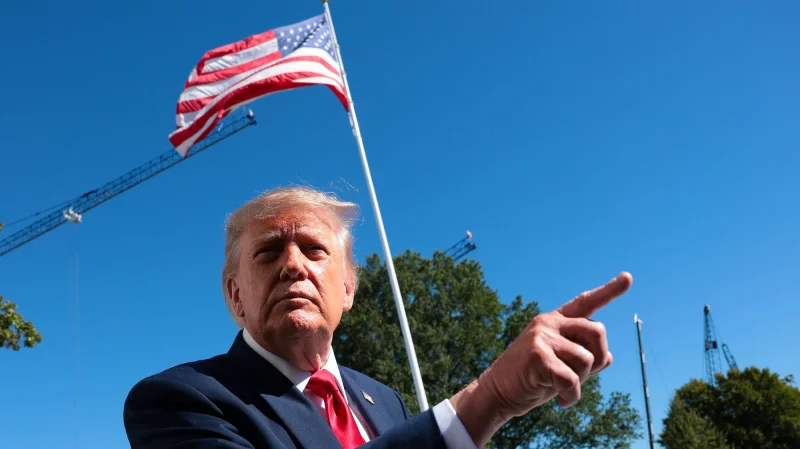
President Donald Trump and JD Vance are expected to unveil a $25 million Fraud Whistleblower Incentive Program during a Tuesday afternoon announcement in the Oval Office, a move the White House says will pay people who help uncover fraud involving taxpayer money. The plan would let eligible tipsters receive up to $30,000 if their information leads to a successful fraud conviction or a significant federal enforcement action.
The Justice Department will run the program, and Americans will be able to submit tips through fraud.gov. The White House says the effort is meant to draw in independent journalists and everyday Americans who believe they have seen suspicious use of public money, turning those leads into a formal pipeline for federal investigators.
The announcement also comes with a more personal flourish. Trump plans to give independent journalist Nick Shirley a $10,000 check for reporting that drew national attention in December 2025, when he posted a video questioning whether several Somali-run Minnesota daycare centers were operating as legitimate businesses. One of the facilities he highlighted was Future Leaders Early Learning Center.
That reporting did not end online. The White House said it helped prompt a surge of FBI and Department of Homeland Security resources into Minnesota, followed by investigations, arrests and new charges. In July, Fahima Egeh Mahamud, the former CEO of Future Leaders Early Learning Center, pleaded guilty to wire fraud and conspiracy to defraud the United States.
Lauren Bis, the White House spokeswoman, said the administration’s Task Force to Eliminate Fraud is “zeroing in on the rampant abuse of taxpayer dollars and giving Americans the accountability they deserve,” and said the administration has “zero tolerance for individuals who steal from Americans.” The framing is clear: the White House is tying a new fraud hotline to a broader crackdown, while also spotlighting one journalist whose work has already become part of that enforcement story.
What remains to be seen is how the Justice Department will separate a useful tip from a claim that goes nowhere, and how it will decide when a case is significant enough to trigger the $30,000 payout. That definition will matter quickly, because the new program is built to turn suspicion into action, and the line between a lead and a rewarded whistleblower will be drawn inside the department, not at the podium.