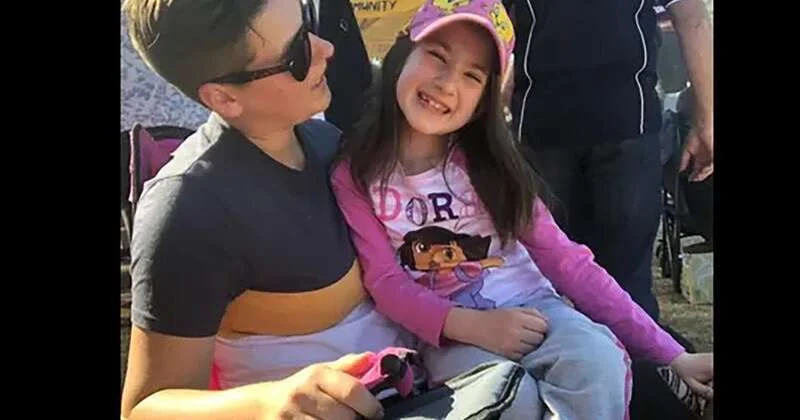
A Queensland child safety officer has told a coronial inquest they did not fully understand the influence of the Saints church when Elizabeth Rose Struhs was sent back to her family before her death. The testimony, given on Wednesday in Brisbane, put fresh focus on how the decision was made in a case that ended with the eight-year-old dying after her family stopped her insulin.
The officer said they could understand diabetes, but not in the depth that would have been more helpful in a case like this. They also said they approved then six-year-old Elizabeth going home because they were confident Jason Struhs would give it a go in treating her diabetes. That detail now sits at the center of the inquiry into how a child with a serious medical condition was returned to a home where the Saints banned modern medicine.

Elizabeth died on January 7, 2022, at her family’s home near Toowoomba, west of Brisbane, after Jason had agreed days earlier to stop providing insulin. Her death followed ketoacidosis poisoning that attacked her organs. The case has already shown how fraught the family’s beliefs were: two and a half years earlier, Elizabeth had nearly died after Kerrie Struhs did not seek treatment for her, and a teacher was later told, “I believe we have a God that heals,” when asking about the insulin.
What made Wednesday’s evidence stand out was not just the family’s beliefs, but how little the system seemed to have on the record to meet them. A Queensland Department of Child Safety officer said they did not understand well the church’s influence, while an education department senior guidance officer said Child Safety was willing to accept some risk in sending Elizabeth back to the family home. Child Safety specialist officers, the inquest was told, had an incredible workload, no formal training for incoming staff and no specific process to track their cases or help handover.
That leaves the hardest question untouched. If the warning signs were already there, and the agency knew its own staff did not have the training or tracking procedures to manage a case like this well, why was Elizabeth sent home at all? The coronial inquest will keep testing that decision, and the answer may matter far beyond one family and one tragic death.