
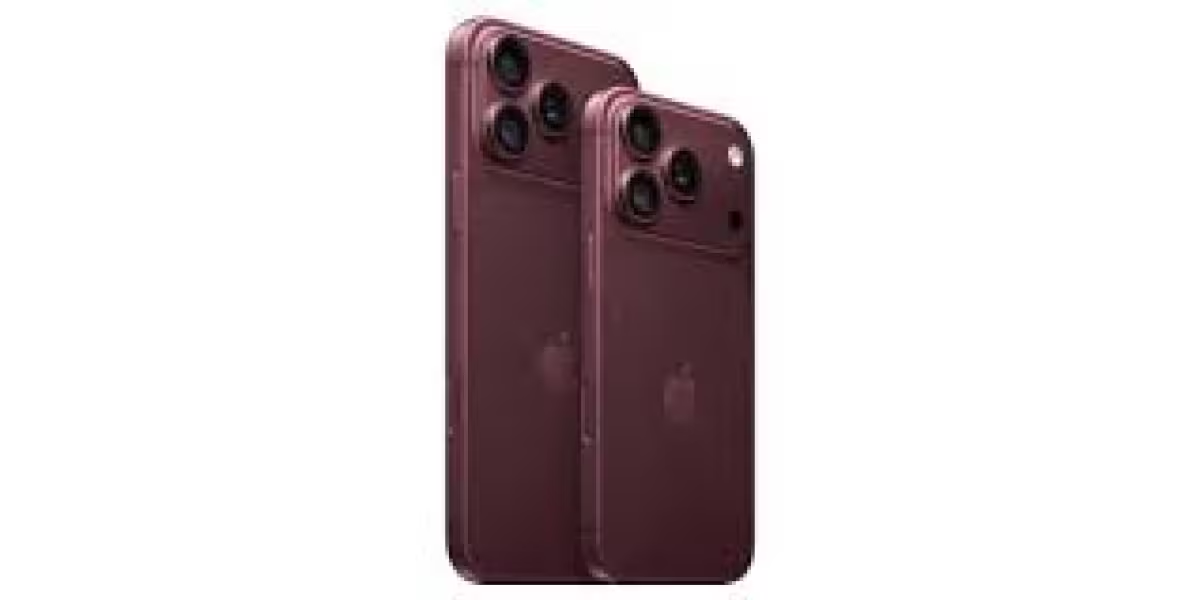
Apple's iPhone Duo sold out fast on preorder day, and some buyers were already seeing online delivery estimates slip into late January. The launch-day pickup inventory disappeared quickly after Apple put its first foldable phone on sale Friday.
That is the kind of start Apple wanted for a device that begins at $1,999 and sits above the Pro and Pro Max. The iPhone Duo is the company's most expensive iPhone ever, and the 2TB version passes $3,000, putting it out of reach for many buyers even before supply gets tight.
Apple called demand for the iPhone Duo “nothing short of extraordinary” and said it will keep taking orders online. The speed of the sellout suggests the company has found an audience willing to pay for its new foldable, at least in the early rush after preorder day.
Nabila Popal said many iPhone Duo buyers will be current iPhone owners, and she said moving from a roughly $1,200 phone to a $2,000 one should give revenue a “healthy boost.” That is the key calculation now: Apple does not need millions of people to upgrade immediately to make the phone matter, but it does need enough buyers to keep the premium tier moving.
The catch is that supply is expected to stay tight, which is why delivery dates are already slipping. Counterpoint expects six million units or fewer in the near term, while IDC sees about seven million shipments this year, or roughly 3% of Apple's total shipments, with another 70% growth next year that could give Apple about 40% of the foldable market. Gil Luria said Apple needs the iPhone Duo to succeed and warned that without it, revenue growth could be “pretty pedestrian,” while Wayne Lam said higher prices could stretch upgrade cycles even longer.
Apple's first foldable arrives after a latest quarter in which revenue rose 16% to $109.4 billion and iPhone revenue climbed 22% to $54.3 billion. The company also guided September quarter revenue growth to 9% to 11% and cited supply limits and memory costs, a reminder that the price of success for the iPhone Duo may be the same thing Apple is already confronting: demand that comes faster than the phones can move.