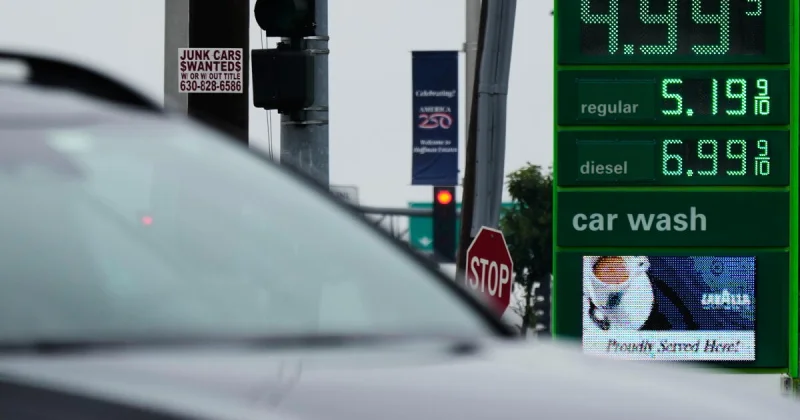
U.S. wholesale inflation jumped 6.3% in September from a year earlier, the biggest annual increase in nearly four years, as a 20% monthly surge in gas prices pushed up other costs across the economy. The producer price index also rose 1.3% from August, a reminder that energy shocks are still working their way through the system.
The report landed Thursday as investors and households were already weighing a separate reading that showed consumer prices rising to 3.7% in September. For anyone searching Vix Stock today, the focus is less on the label than on the pressure behind it: higher fuel costs are still feeding into freight, food and retail prices, and that is keeping inflation stuck above what many had hoped was a slower path back down.
Gasoline was not the only culprit. Wholesale food prices rose 1.2% from August, the biggest monthly gain since February, showing how quickly transportation costs can spill into what people buy at the store. Diesel averaged $6.32 a gallon nationwide Thursday, up from $3.66 a year ago, and that gap matters because it raises the cost of moving goods by truck, train or rail and adds another layer to shipping and warehousing bills.

Carl Weinberg said the jolt to transportation prices affects every good in the economy because inputs to manufacturing move to factories and goods at all stages of production move from producer to wholesaler to retailer by truck, train or rail. He said this is how increases in energy prices bleed through to prices of core goods. That is the channel behind the headline number, and it is why a jump in fuel can show up later in food, store shelves and the freight bills that businesses pay.
Yet the economy is not behaving like a consumer spending freeze. Retail sales rose 0.8% from August, spending at gas stations jumped 6.4%, and spending at restaurants and bars increased 1.1%. Excluding gas, retail sales still rose 0.2% last month, which suggests households are absorbing higher costs rather than shutting down purchases altogether.
Jim Baird said consumers may have gritted their teeth and looked through higher gas prices, and he added that they are not happy, but they are still spending. That is the friction in the data: inflation is heating up, sentiment is gloomy, and yet demand has not cracked. The number of people seeking unemployment benefits also stayed below 200,000 last week, another sign that workers still have enough job security to keep spending.
The question now is how long that can last if diesel, gasoline and food keep feeding into everyday prices. For now, the economy is still carrying two realities at once: households are feeling the squeeze, and they are still showing up at stores, gas pumps and restaurants.