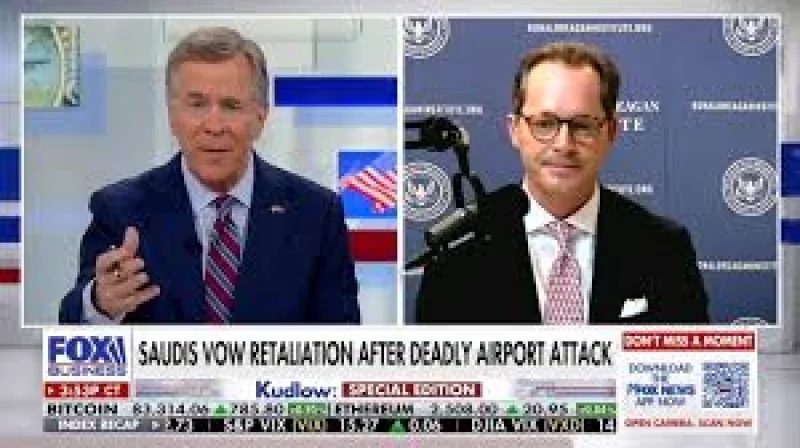
Yemen's Iran-backed Houthi rebels killed at least 20 people and wounded hundreds more over the last week in strikes on Saudi Arabia's airports, including an attack on Riyadh's King Khalid International Airport that killed an American on Saturday. The deaths have put fresh pressure on President Trump, who on Sunday said the United States may join Saudi strikes against the group and would decide quickly.
The scale of the attacks is what gives this moment its force. One U.S. citizen was killed, hundreds more people were hurt, and the strikes landed on airports rather than a distant front line, turning a war that has simmered for years into a more immediate test of whether the United States will step in. For readers searching Saudi Arabia news today, the question is not whether the Houthis can keep up the pressure; it is whether Washington will answer it.

President Trump had already turned down a request last month from Saudi Crown Prince Mohammed bin Salman to join the kingdom's strikes on the Houthis, then came close to ordering airstrikes a week later before declining again. That makes his latest public comments more striking, because he is now weighing the same option he twice passed over, and doing so after the airport attacks produced a casualty count that included an American.
Still, the killing of a U.S. citizen may not be enough to force his hand. Nadwa al-Dawsari said on Monday that she did not think the death of an American would trigger a military response, while Thomas Juneau described the choice as “a difficult dilemma for President Trump.” He said direct U.S. involvement would likely raise tension in the Red Sea and add upward pressure on oil prices, both of which matter because the Houthis hold territory along Yemen's Red Sea coast and have been able to threaten vessels in the Red Sea and in the Bab el-Mandeb Strait.
That is the bind now facing the White House. The Houthis have shown they can hit inside Saudi Arabia and threaten shipping lanes tied to the wider Middle East confrontation that followed the Feb. 28 joint U.S.-Israeli attack on Iran. Trump says the United States may move fast, but his past hesitation suggests a decision in favor of force is not automatic, even after American blood has been spilled. What matters next is whether he turns that warning into action before the pressure from the airports, the sea lanes and oil markets builds any higher.