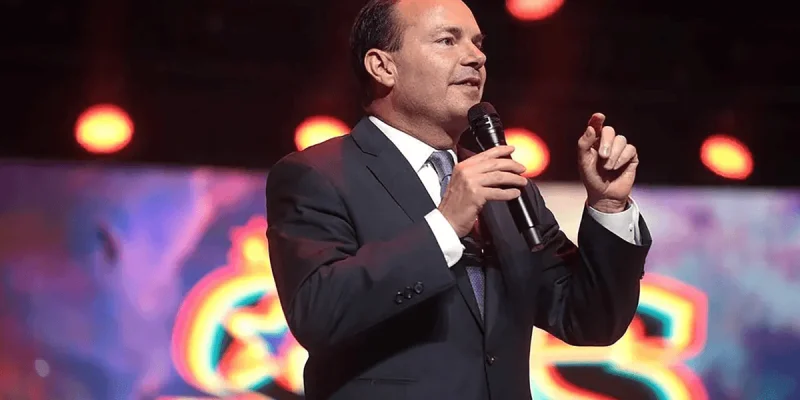
Mike Lee could be in position to decide how hard the Senate enforces the blue slip if Republicans keep control of the chamber after the midterms. That would put the Utah senator at the center of a fight over a tradition that can let home-state senators block district court judge, federal marshal and U.S. attorney nominees they oppose.
The question is drawing attention now because Lee is described as poised to chair the Judiciary Committee, the panel that would handle the practice. In that role, he could help determine whether the blue slip remains a real veto point or becomes easier to work around, a shift that would matter for nominations Republicans have long wanted to advance.
John Cornyn said Lee is likely to respect the practice. Cornyn said Lee is a traditionalist and would honor the blue slip because senators have few prerogatives and tools, and that is one of them. That view matters because it points to the likely path if Lee takes the gavel: not abolishing the custom outright, but keeping it in some form while adjusting how it is used.

Lee has already signaled resistance to Trump’s demand that Republicans scrap the practice completely. He said there is no appetite to just get rid of blue slips, while also arguing that the blue slip has evolved and is almost never static, though not everything about the procedure will always stay the same. That leaves room for change without a full break from the tradition.
Trump, by contrast, has pressed the opposite line. In an October 2025 post on Truth Social, he called the blue slip an old and ridiculous custom. Last December, he said it was shocking that Chuck Grassley would allow this scam to continue. Grassley has repeatedly fended off those calls, and Senate Republicans have shown little interest in surrendering a tool that can help them manage nominations.
The reason most Senate Republicans want to keep the status quo is simple: leverage. The blue slip can slow or stop nominees, but it also preserves a power senators value when the White House and the Senate are not aligned. At the same time, the Senate GOP majority has still confirmed many of Trump’s nominees even when Senate Democrats were united against them, which makes a total rewrite of the process less urgent for most Republicans than it is for Trump.
So the next step is not just whether Republicans hold the Senate. It is whether Lee, if he becomes Judiciary Committee chair, treats the blue slip as a tradition to be preserved, a rule to be narrowed or a barrier Trump cannot persuade Senate Republicans to remove. For now, the odds point to change at the edges, not the end of the practice.