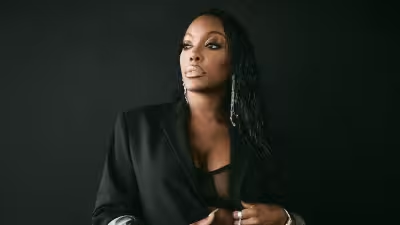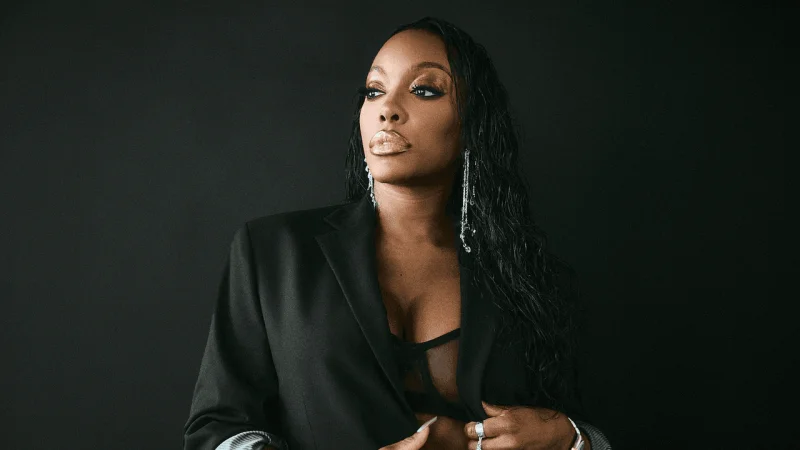
Porsha Williams says doctors found 21 uterine fibroids, some the size of a cantaloupe, and told her she needed an emergency partial hysterectomy. The recommendation came after a quick check on whether she could still carry a child one day turned into a fast-moving set of scans and a warning that changed the stakes for her future fertility.
Williams’s account gives the diagnosis its force. She says she had gone in believing she had already been healed after fibroid embolization, only to be told later that a follow-up MRI showed more than 15 large fibroids in her uterus. She said the shift from relief to surgery recommendation happened after years of trying to manage a condition that had already shaped her pregnancies and her health.
Her history with fibroids stretches back to age 30, when she says she learned she was pregnant and had fibroids on the same day. She said the fibroid outgrew that pregnancy and led to a miscarriage at four months. A year later, she had a myomectomy. Later, during her pregnancy with Pilar, the fibroids returned, and she said she spent the last month on bed rest while they degenerated.
After Pilar was born, Williams said she chose fibroid embolization to preserve her fertility because she was not ready to have the question of more children decided for her. She said the treatment eased her heavy periods, headaches and lower back pain, but after her divorce the heavy bleeding returned. That led her back to a doctor, where she asked for a quick ultrasound and was sent for MRI scans by 2:30 that same afternoon.
What followed was a sharper diagnosis than she expected. Williams said the doctor found not only the fibroids, but also endometriosis and another diagnosis involving the uterine lining. The partial hysterectomy recommendation means she would lose the option of having more biological children, even if the operation leaves part of the uterus in place. For Williams, that is the hard edge of the story: treatment had bought time, but it did not settle the question of motherhood on her terms.
The scale of the problem also fits a broader health pattern that has made fibroids a major issue for Black women. Roughly 80% will develop them by age 50, and Black women are two to three times more likely to undergo a hysterectomy because of fibroids. Williams has spoken before about miscarriage, infertility and the strain of living through repeated treatment, but the latest diagnosis makes the next step more immediate. The doctor told her she needed a hysterectomy; the remaining question is how soon that surgery will happen.
After Pilar has long been the proof point in Williams’s own story, the child she has called her rainbow baby. Now the same body that carried that pregnancy is the one doctors say can no longer be left in place as it is. The recommendation is not just another chapter in her health history. It is the point at which the possibility of another child was taken out of her hands.