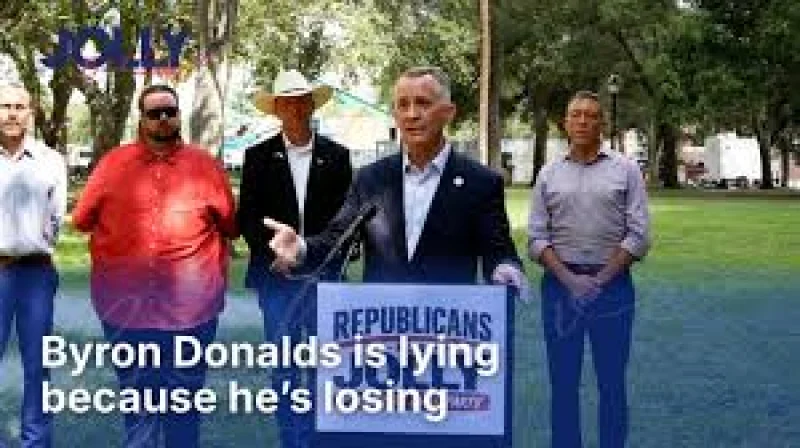
David Jolly is proposing to pull hurricane and wind risk out of private Florida homeowners policies and place it in one strong, state-backed fund, a move he says could cut insurance bills by 60 to 70 percent. For a $300,000 home, the gap could be about $4,500 a year.
That is why the plan is getting attention now. Floridians pay the highest home insurance prices in America, and hurricane and wind risk makes up 60 to 70 percent of a typical bill. Under Jolly’s idea, private insurers would no longer have to price that risk into every policy, which is where much of the cost sits today.
The savings claim is not small. Insure.com’s Florida calculator puts a $300,000 policy at $7,136 a year when hurricane risk is included and $2,557 a year when it is not. That difference is about $4,500, or roughly 64 percent, which is why Jolly says the plan has to lower costs for Floridians or it will not move forward.
The mechanism is meant to make the fund durable before it ever covers anyone. It would be built to a financially sound level and backed by reinsurance, with the cost covered by making insurance companies pay taxes they currently avoid and by other revenue sources that would not push the burden back onto homeowners. In plain terms, the state would be shifting a large, storm-heavy slice of the market away from private pricing and into a public backstop.
But the hard part is still there. The proposal does not spell out the exact funding formula, and the Florida Legislature would still have to write the policy that makes the fund work. That matters because the promise of lower premiums depends on how the money is raised, how large the reserve is before it starts paying claims, and how much reinsurance sits behind it.
The idea also lands in a state that has seen this model before. The Florida Hurricane Catastrophe Fund was created in a special legislative session in November 1993 after Hurricane Andrew, and Republican legislatures have run and expanded it for three decades. It now reimburses insurance companies for part of their hurricane losses, while Jolly’s plan would move the protection one step closer to homeowners themselves.
That is the real test of the proposal: whether Florida can build a fund large enough to absorb hurricane risk without simply passing the bill back to policyholders in another form. Jolly’s answer is clear enough. The costs must come down, and the Legislature now has to prove that the math can match the promise.