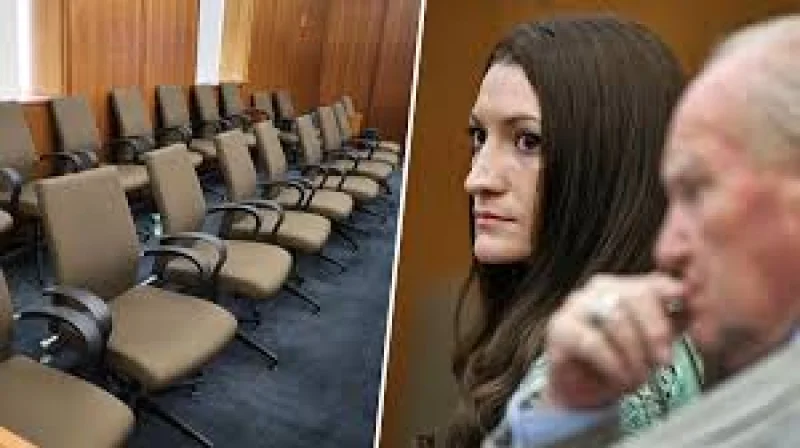
Three jurors in the Lindsay Clancy murder trial said a lone holdout kept the panel from reaching a verdict, pushing the case to a mistrial last week. The jurors spoke publicly for the first time after the court found them hopelessly deadlocked.
That detail matters because the trial had already gone on for about 40 hours over six and a half days, and the public had been left with only the bare fact of a hung jury. Now the Lindsay Clancy jurors say the divide was not over whether Clancy killed her three children — she admitted that — but over whether the law allowed a verdict of not guilty by reason of insanity.
The foreperson said one juror acknowledged having reasonable doubt, a moment that briefly seemed to open the way to a unanimous result. She said she began filling out the forms when the juror said, “He admitted he had reasonable doubt and I started filling out the forms, I was so excited,” before adding, “But I'm still not going to say that she's not guilty by reason of insanity.”

That is the friction point inside the deadlock. If a juror says doubt remains but still refuses to reach the legal conclusion tied to insanity, the panel can stall even when some members are ready to move forward. The foreperson said she wrote to the judge to flag that one juror had expressed reasonable doubt but would not agree to the verdict, and the three jurors said they grew frustrated as the holdout would not consider the views of the rest of the panel.
The case centers on a Massachusetts mother accused of killing her three young children in January 2023. During the trial, Clancy pleaded not guilty by reason of insanity and argued she was suffering from severe mental illness at the time, while prosecutors maintained she was criminally responsible for the deaths. The mistrial means there was no unanimous verdict, and it leaves the case exactly where jurors say it got stuck: with doubt acknowledged, but not enough agreement to finish the job.
What happens next is still unclear. Prosecutors have not said whether they will seek to retry the case, and that question now stands at the center of the next phase of the proceeding.