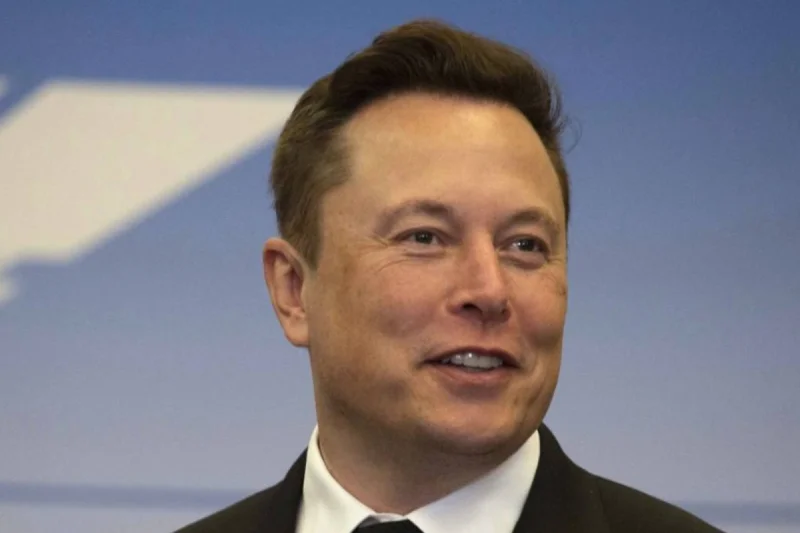
Elon Musk threw his support behind Brian Armstrong on 27 August 2026, replying on X, “He’s right,” after Armstrong called institutional philanthropy a net negative for the world. The endorsement turned a podcast argument into a public fight over whether big charitable structures do more harm than good.
Armstrong had made the case two days earlier on The Katie Miller Podcast, saying traditional charitable foundations are often captured by ideology, pushed into public-relations rehabilitation, and pulled away from the missions that once justified them. He cited Bill Gates and Henry Ford as examples of how large fortunes can be routed into philanthropy that drifts from its original purpose.
The Coinbase co-founder said he prefers a donor-advised fund, a structure that lets a donor set aside money for charity without running a formal foundation. In practice, that means the donor can direct grants while relying on a separate vehicle to handle administration, which is the distinction Armstrong was drawing as he criticized foundations for becoming their own institutions.

Armstrong went further, saying that some well-intentioned reform efforts have worsened the problems they were meant to fix. He pointed to criminal-justice reform efforts that he said had inadvertently contributed to increased crime, and argued that philanthropy often gets captured by outside ideologies before it can deliver on its original goal.
That is where the backlash hardened. Critics and nonprofit advocates accused Musk and Armstrong of dismissing work that keeps local food banks open, funds medical research, and supports vulnerable communities. The criticism was not just about tone. It was about the claim that large-scale giving is a net negative when many charities depend on it to fill gaps that government and markets do not cover.
Musk’s reply also pushed the argument beyond Armstrong’s podcast appearance. Once the world’s richest people begin publicly endorsing the idea that institutional philanthropy is broken, the debate stops being theoretical and becomes a test of how billionaires justify their civic role. The unanswered question is not whether Armstrong can defend his own donor-advised fund, but whether his criticism of foundations changes how other large fortunes think about where money should go next.