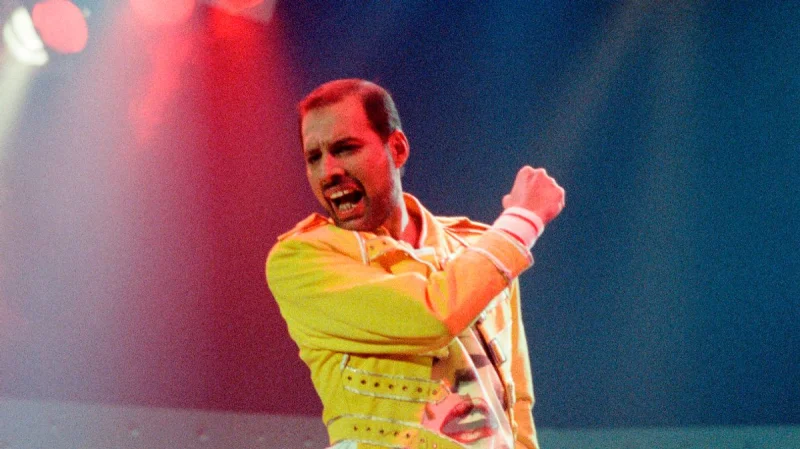
A new Mirror book is putting never-before-seen pictures of Freddie Mercury into public view ahead of what would have been his 80th birthday on September 5. The hand-picked selection is meant to do more than revisit a famous face: it points to a side of Mercury that the images themselves now help explain.
That timing matters because Mercury remains one of the most searched names in rock, and the birthday milestone gives the release a sharper edge. Born Farrokh Bulsara in Stone Town, Zanzibar, on September 5 1946, he grew from a boy who started piano lessons and formed The Hectics at 12 into the lead singer of Queen, the voice behind a run of records that made him a global figure.
His rise was not built in a straight line. In 1964 his family escaped the Zanzibar Revolution and moved to Feltham, Middlesex, England. He later studied graphic art and design at Ealing Art College, graduated in 1969, worked as a baggage handler at Heathrow Airport and sold secondhand clothes at Kensington Market to pay rent. By 1970 he had joined the band after Tim Staffell left Smile, persuaded Brian May and Roger Taylor to rename it Queen, and changed his surname from Bulsara to Mercury around the same time.

The pictures in the new book do not just fill in the gaps around the public story. They also suggest why Mercury is remembered as much for presentation as for singing, because the images reveal a hidden talent that sat alongside the stage persona and the voice. That matters now because the archive is arriving at a moment when his life is being revisited again, not least through the new lyric books tied to Mary Austin, who opens Freddie Mercury's private trunks in new lyric book and is also set to publish Freddie Mercury lyric book from private trunks.
Mercury's career only became more imposing from there. Queen had their first UK chart entry in 1974 with Seven Seas of Rhye, then followed with Sheer Heart Attack and Killer Queen, before A Night at the Opera turned Bohemian Rhapsody into a hit that spent nine consecutive weeks at number one in the UK. Their 20-minute performance at Live Aid on July 13 1985 at Wembley Stadium is still widely considered the greatest live rock performance in history.
Yet the public image sat beside a private struggle. Mercury kept his HIV/AIDS diagnosis private for years, then issued an official statement confirming it just 24 hours before his death on November 23 1991, aged 45. He had already recorded his final vocal tracks, including Mother Love, in early 1991 in Switzerland and told Brian May he would finish the rest later, a line that still carries the weight of a man trying to outrun time.
That is why the new book matters beyond nostalgia. It does not change the facts of Mercury's life, but it does widen the record around him with images that have never been published before and, in doing so, adds a fresh chapter to a story that already seemed complete. The remaining question is not whether Mercury still matters; it is how much more of him the archive still has to show.