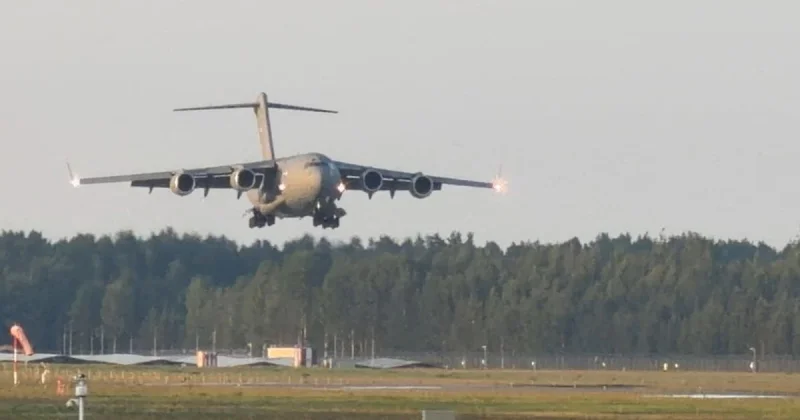
John Ratcliffe flew to Moscow last week, met with Russian counterparts and was back out after eight hours on the ground, a tight visit that sharpened questions about what the CIA director was doing there and why it had to happen in person.
Donald Trump later called the trip “semi-routine,” but the White House still has not said why the mission was kept from many White House officials or what Ratcliffe was asked to deliver. That silence is what made the stop unusual: intelligence chiefs can use existing channels when they want to pass a message, yet this one required a direct flight into Moscow and a face-to-face meeting at a moment when U.S.-Russia relations were already under strain.
Two separate accounts offered competing explanations for the trip. reported that Ratcliffe went to press the case that Russia was losing its war with Ukraine and should cut a deal before conditions worsened. NBC News reported that his mission was to warn Russia against sharing intelligence with Iran. Either way, the trip suggests the White House wanted a message delivered to the Kremlin that it was not prepared to spell out publicly.

The comparison that hangs over Ratcliffe’s visit is Bill Burns’s trip to Moscow almost five years ago, when he went to tell the Kremlin the United States knew of its plan to attack Ukraine. That warning did not stop the invasion. This time, Ratcliffe’s eight hours in Moscow landed in a far more volatile setting, with the United Kingdom having decided last month to provide Kyiv with cruise missile technology and the Russian foreign ministry threatening to strike British targets in retaliation.
The broader backdrop is even harder to ignore. Russia is suspected of sabotaging weapons factories in Bulgaria, Estonia and the Netherlands, and Germany has accused it of trying to attack Leipzig/Halle Airport with three armed drones. Ratcliffe’s stop in Latvia on his way to Moscow only fed speculation that the trip was aimed not just at delivering a warning, but at trying to head off fresh Russian aggression before it spread further.
Putin’s meeting yesterday with Masoud Pezeshkian on the sidelines of the Shanghai Cooperation Organization summit in Bishkek, Kyrgyzstan, added another layer to that picture after the Kremlin reiterated Moscow’s support for Tehran. The White House has not said whether Ratcliffe’s message was tied to that cooperation, or whether the trip produced any response at all. For now, the only firm answer is that an unusually short Moscow visit by a senior U.S. intelligence chief was enough to raise more questions than it settled.