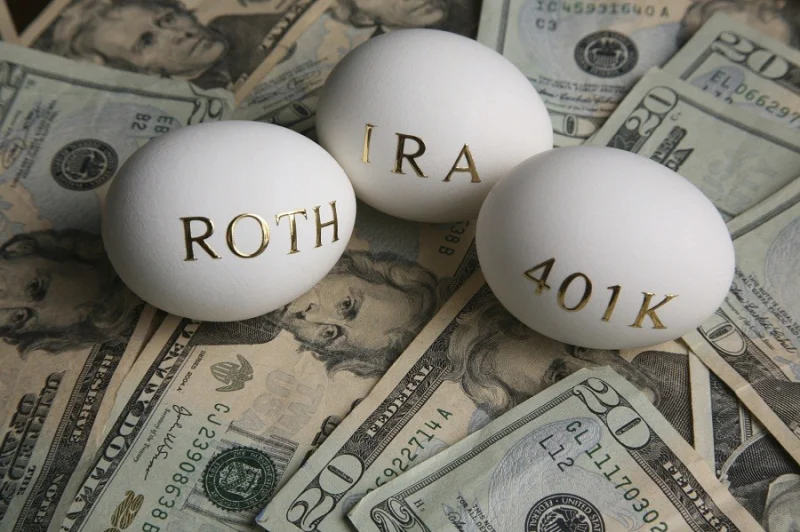
Average 401(k) balances climbed to $155,000 in the second quarter, while average 403(b) balances reached a record $145,000 as Fidelity said retirement savers kept adding money even after a shaky start to the year. The 401(k) gain of 10.5% from the prior three months was the strongest quarterly increase since the end of 2020.
The numbers point to a rebound that was driven by more than market movement alone. Fidelity said combined savings rates held at 14.4% for 401(k) participants and 12% for 403(b) participants, while more than eight in 10 401(k) savers, or 81.2%, put away enough to capture the full employer match. Sharon Brovelli said workers continue to prioritize their financial future.
That mattered because the first quarter had already shown a pullback from the Q4 2025 peaks in average 401(k) and IRA balances. By the second quarter, the picture had turned again: IRA contributions were up 36% from a year earlier, women who had stayed in a 401(k) for at least five years crossed the $250,000 average balance mark for the first time, and female IRA investors moved above $130,000 on average, up 12% from a year ago.

The record balances came even as many savers were uneasy about the broader backdrop. Fidelity said 55% of respondents were concerned about the economy, 46% were stressed about inflation and the cost of living, and 42% were unsettled by the geopolitical environment, while only 36% said they felt good or excellent about their financial health. That gap suggests the second quarter was less a sign of calm than a sign that workers kept saving through the noise.
The strongest gains were also showing up in smaller corners of the retirement market. Small-business retirement accounts have grown 178% since 2021, with contributions up 46% over that span, and those accounts made up 28% of all retail retirement contributions in the second quarter. SEP and Simple IRA contributions accounted for 64% of small-business retirement contributions, while millennial investors represented 42% of self-employed 401(k) contributors and 41% of Roth self-employed 401(k) contributors. Fidelity also said more than 25,000 participants are now saving through Fidelity Advantage 401(k), a sign that the savings base is still widening even after the latest records.
What the second quarter does not answer is how much of the balance growth came from the market and how much came from fresh contributions. But the direction is clear: with employer matches being captured at high rates and contributions still rising, retirement balances are ending the quarter on stronger footing than they started.