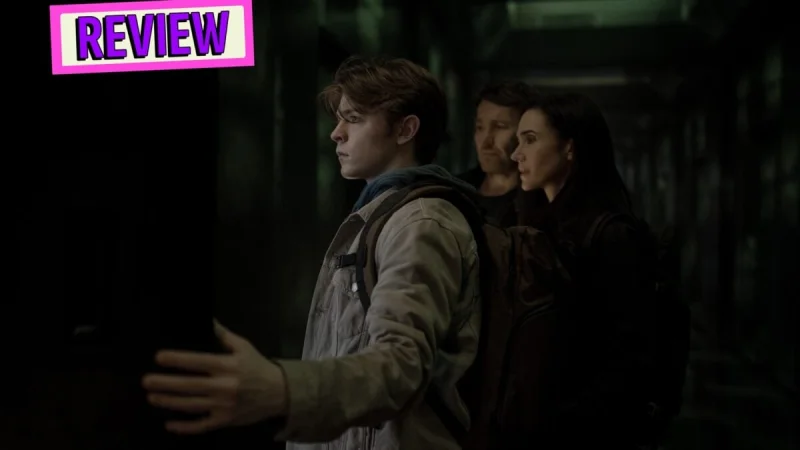
Dark Matter season 2 arrives on Apple TV this week, picking up a short time after the first season’s uncertain but hopeful ending and pushing the story back into the Box. Blake Crouch has called it “the closest thing that will ever be to a true sequel to Dark Matter,” and that is exactly how it lands: not a reset, but a return to the same dangerous machinery and the people broken by it.
That timing is why the show is back on the search radar now. Season two does not simply revisit Jason Dessen’s problem; it deepens it, with Jason #1 still at the center while Jason #2 keeps evolving after being set up as the villain. The Box, built around a specially compounded drug, remains the device that lets travelers visit alternate versions of their current lives, and every use creates new variants, which means the story keeps multiplying its own cast as it goes.
The emotional pull comes from what survived season one. Jason #1 had given up his genius ambitions 16 years prior to marry Daniela and raise Charlie, only to be dragged out of that life by Jason #2, who took over his world and then tried to live inside the family he had once rejected. Jason #1 spent the first season trying to get home, reclaim his life and confront his double, and season two keeps moving through the wreckage of that collision rather than pretending it never happened.

That is also where the series gets harder to track. The new season requires familiarity with Ryan, Amanda, Blair and Leighton, and it keeps folding in the consequences of what multidimensional travel has already done to them. Amanda puts it bluntly as “the PTSD I got from multidimensional travel in a magic box,” which is funny only for a second before it lands as the clearest description of what this world has done to its people.
Season two also broadens the idea behind the Box beyond Jason. It asks what it means when only a select group of people can reach alternate lives, and it applies the show’s central “what if I’d chosen this path instead?” idea to someone other than Jason. That shift gives the season more range, but it also turns the narrative into a kind of mental tongue-twister if season one is hazy in your head, especially once other Jasons and versions of Leighton start appearing with impulses that can look admirable one moment and alarming the next.
That is the tradeoff here. Dark Matter season two is built to be emotionally rewarding for viewers who remember what the Box did and who it hurt, but it asks for attention in return. The new season is now here, and the real test is not whether the world gets bigger; it is whether the people inside it can survive the versions of themselves the Box keeps making.