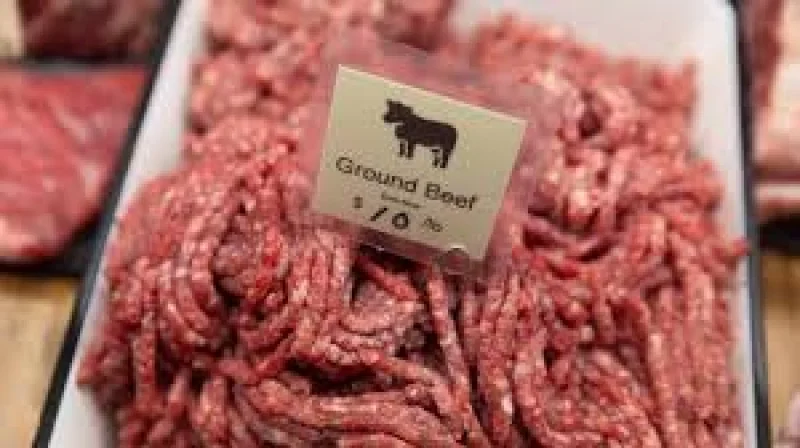
Donald Trump has put a new target on the grocery aisle: 300,000 metric tons of ground beef imported and sold at 25% below current market prices for 90 days. He announced the plan on Truth Social last week, framing it as a direct answer to consumers who have watched beef climb to roughly $7 per pound.
The timing matters because beef prices are already a live political problem, and this one lands while voters are still weighing everyday costs. The nation's cattle herd hit historic lows earlier this year, levels not seen since the 1950s, and that shortage has helped push prices higher. Trump said the ranchers are great and that they have admitted the country needs a little help to bring prices down.

That pitch is not sitting well with some Republicans. Tom Cotton said the problem is not a lack of imported supply but a herd that is too small, and he warned that beef sold below market prices would only put more pressure on cattlemen. Cotton said he had advised the president against the move before and urged him to reconsider, arguing that the market should be allowed to work while the herd is rebuilt.
Ashley Hinson took a similar line on X. She said she wants lower prices but called the plan a bad idea. That puts her and Cotton on the same side of a split that is becoming hard to miss: Trump is betting that cheaper beef will answer voter anger over affordability, while Republicans in the Senate and in key races are warning that the cure could deepen the strain on producers already dealing with historically low numbers.
The administration has not said where the imported ground beef would come from, and it has not explained how it would enforce a 25% discount for 90 days without setting the terms itself. Trump has already shown he is willing to use imports to try to push prices down, after signing an executive order aimed at allowing an influx of 80,000 metric tons of beef trimmings from Argentina. This time, the question is not whether he wants cheaper beef. It is whether he can force it into the market fast enough to matter before the political damage from high prices hardens.