Taco Bell pulled lettuce and other ingredients from select locations on July 15 and said two days later that it had finished removing affected Taylor Farms lettuce from its restaurants. The move came after a cyclospora issue hit the chain’s current quarter on July 16 and left customers wary about eating lettuce at all.
That concern matters because the brand was already feeling the hit. David Palmer said Taco Bell’s quarter-to-date sales were down 2% through July 27, but that figure masked a much rougher start, with the business at one point running nearly 30% below a year earlier. He said the company’s quarter had opened strong before the parasite issue landed and then ran into a sudden sales air pocket.

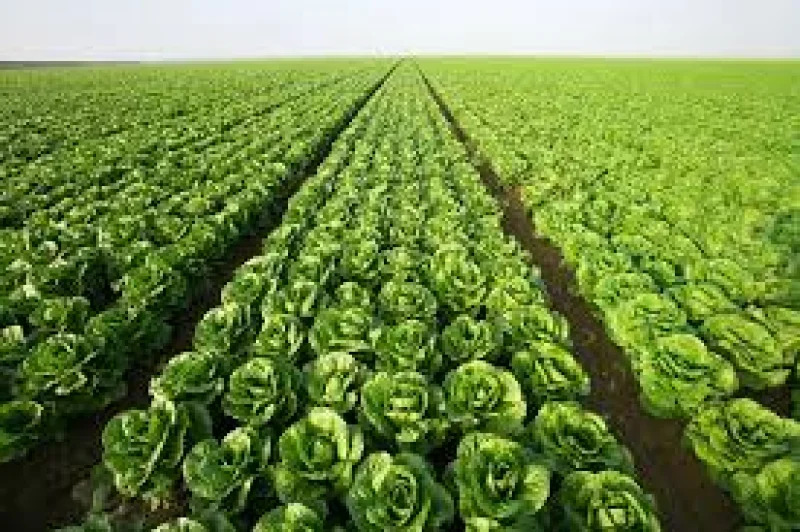
The outbreak was tied to iceberg lettuce produced by Taylor Farms and sold in stores and at Taco Bell restaurants across the US before it was recalled. By Aug. 18, the CDC had received reports of more than 15,000 lab-confirmed cases of cyclosporiasis dating back to May, which put Taco Bell’s response into a wider public-health picture rather than an isolated menu problem.
What makes the episode more complicated is that the damage does not look permanent, at least in Palmer’s view. He said the company sees a temporary air pocket, not lasting brand harm, even as public concern about lettuce consumption weighed on the top line. Taco Bell is leaning on value offers, a broader marketing calendar and digital promotions to steady traffic, but the real test is whether customers come back fast enough to restore the missing sales. The company has already done the urgent part: it pulled the ingredients, cleared out the affected lettuce and now has to prove the scare will fade.