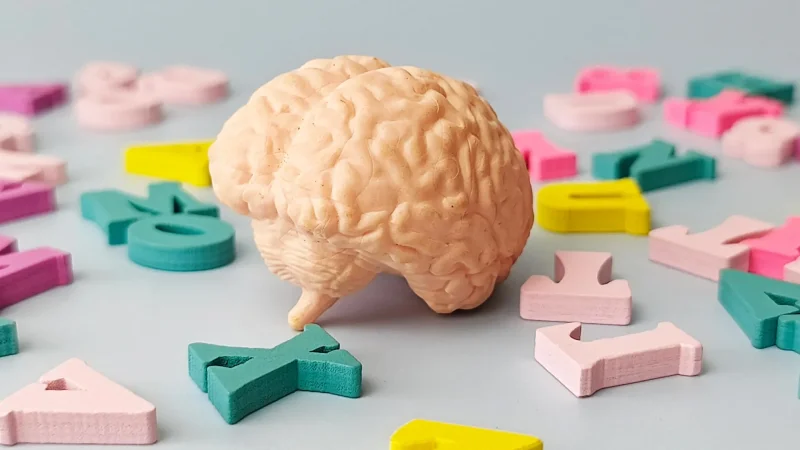
People who spoke four languages had brains that appeared about 13 years younger than those of people who spoke only one language, in research presented at the Federation of European Neuroscience Societies Forum 2026. The finding came from a study of people in the Basque region of Spain and added a quantified edge to a long-running question about whether language learning may shape how the brain ages.
Dr. Lucia Amoruso said the pattern was simple in one sense: people who spoke more languages tended to have brains that looked younger than expected for their chronological age. That is why the work is drawing attention now. It takes a broad idea about multilingualism and turns it into a number that is hard to ignore, especially for readers trying to understand whether learning and using more than one language could be linked to brain resilience later in life.
The research team first studied 728 people to build a brain aging clock. They used magnetoencephalography, which detects the faint magnetic fields produced when brain cells are active, and artificial intelligence to spot patterns in brain activity across ages. They then applied that clock to a separate group of 144 people and estimated each person's brain age. The people in that second group spoke between one and four languages, including Spanish, Basque, French and English.

The numbers moved in a clear pattern. People who spoke two languages had brains that appeared about six years younger than those of people who spoke only one language. Those who spoke three languages were about seven years younger. Four-language speakers showed the biggest gap, at roughly 13 years younger. The association was stronger when people had higher language proficiency and when they had learned a second language earlier in life, suggesting that the depth and duration of language experience mattered as much as the count.
That does not make the result a simple victory lap for language learning. The researchers adjusted for age, sex and education, but they also cautioned that lifestyle and social engagement could have helped produce the difference they observed. In other words, multilingualism may be part of the picture without being the whole explanation. The study points to a brain that seems younger, not yet to a single biological switch that causes it.
The work builds on earlier research from the same team suggesting that people living in countries where multilingualism is common may age more slowly. Now the researchers want to see whether the same pattern shows up in people with neurodegenerative conditions such as Alzheimer's disease. If it does, the question will move from curiosity to consequence: whether everyday language experience is merely linked to younger-looking brain activity or whether it can help explain how some brains hold up longer under disease pressure.