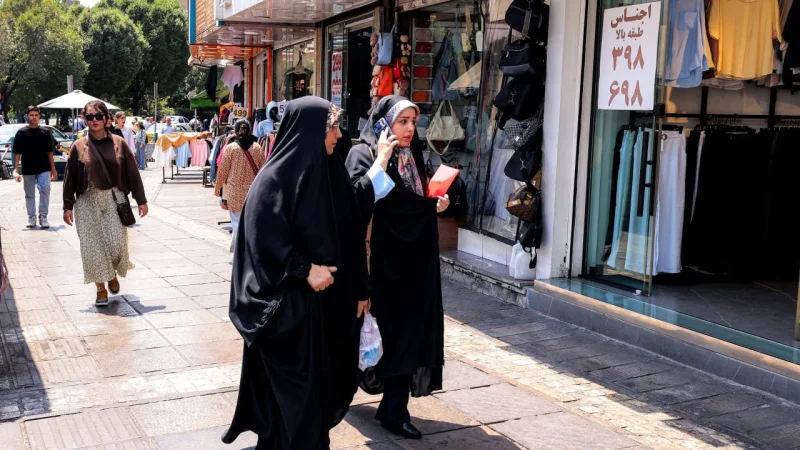
Iranian authorities have stepped up pressure over hijab compliance again, closing cafes, restaurants, shops and sports clubs in more than 15 cities as hardliners push to revive the suspended Hijab and Chastity law.
The campaign is being driven from the judiciary, where Tehran Prosecutor Ali Salehi said on Monday that officials were preparing to move against cafes, restaurants and clothing stores for “committing acts contrary to public chastity and selling unconventional clothing.” He followed that on Thursday by ordering judicial authorities to identify and confront what he called “organized and networked actors” promoting unveiling.
The scale matters because the closures are no longer limited to one kind of venue. In recent weeks, cafes, restaurants, shops and sports clubs have been shut in more than 15 cities over hijab violations by customers or staff, showing how enforcement is spreading across everyday life rather than staying at the level of warnings or isolated inspections.

The renewed drive comes as the fighting has quieted and hardliners have moved the issue back to the front of nightly pro-government rallies. Hijab is now leading the slogans at those gatherings, which drew some unveiled women in the early weeks of the war but are now far smaller and made up almost entirely of hardline supporters.
Women are also being blocked from obtaining motorcycle licenses, despite a government decision sent to police in February. Shargh wrote on Wednesday that the resistance appeared to have little to do with law or road safety and everything to do with what women would be wearing on the bikes, a line that captures the way the issue has become about control of public behavior, not just regulation.
Masoud Pezeshkian has become a target in the dispute even though he has not objected to the law itself. He has not submitted the Hijab and Chastity law to government bodies for implementation, and the freeze was originally imposed above him because authorities feared that enforcing it could trigger a new wave of anti-government protests. That leaves the central question unresolved: the pressure is rising, the closures are multiplying and the hardliners are demanding movement, but the legal step that would formally reactivate the law has not been taken.