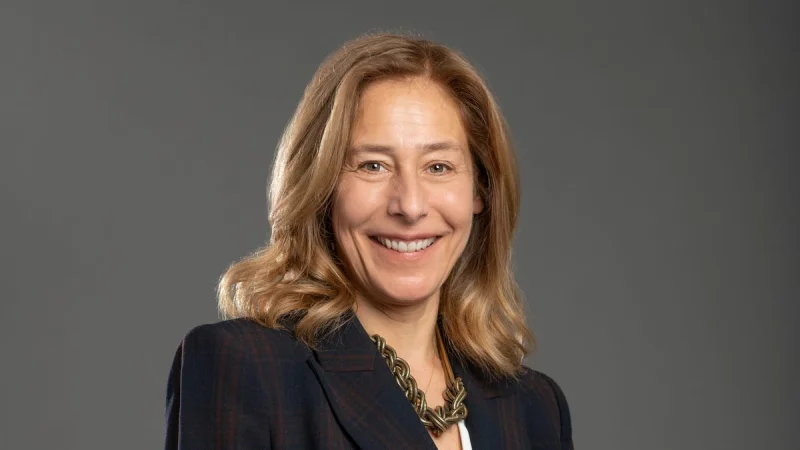
Vanderbilt University Provost C. Cybele Raver is set to become the next president of the University of Michigan, two sources said, putting her on course to become the school’s second woman president. The move would take effect Dec. 1, after a public announcement expected around 10 a.m. Tuesday and a formal vote by the Board of Regents on Sept. 1.
That timing matters because it turns a quiet search into an immediate public transition. The Regents’ internal message to the search committee laid out the schedule, and it also showed how closely managed the handoff will be as Michigan prepares to replace its latest leader after firing Mark Schlissel over an inappropriate relationship with a subordinate.
Raver has led Vanderbilt’s academic operations since July 2021, after serving as deputy provost at New York University and as the inaugural director of NYU’s Institute of Human Development and Social Change. At Vanderbilt, she helped launch the College of Connected Computing, recruited five new deans, strengthened research infrastructure and led Discovery Vanderbilt. Under her watch, the school expanded to New York City and West Palm Beach, approved a new interdisciplinary science building and surpassed $1 billion in annual research expenditures.

That record is likely part of why she emerged from the search, even if the Board of Regents has not explained its choice. Michigan has recently turned to presidents from private universities, and Raver would fit that pattern. Mary Sue Coleman led the university from 2002 to 2014 and returned as interim president in 2022, giving Michigan a familiar bridge after Schlissel’s removal and now a rare chance to hand the job to another woman.
Still, Raver arrives with baggage. She was part of a Vanderbilt administration that faced backlash over a March 2024 pro-Palestinian sit-in that led to several student arrests and the suspension of 30 students, even as Vanderbilt was later ranked by the Anti-Defamation League among the top eight universities nationwide in addressing antisemitism in 2025. Her elevation would put that record under a brighter spotlight in Ann Arbor, especially as Michigan has also been among the schools drawn into federal scrutiny, including a March 2025 letter from the U.S. Department of Education to 60 higher education institutions.
The formal vote on Sept. 1 should be procedural if the selection holds, but it remains the point where the deal becomes official. If the Regents approve Raver then, Michigan will have its next president locked in three months before she takes office, and the university’s long search will end with a leader known for expansion, fundraising and campus conflict alike.