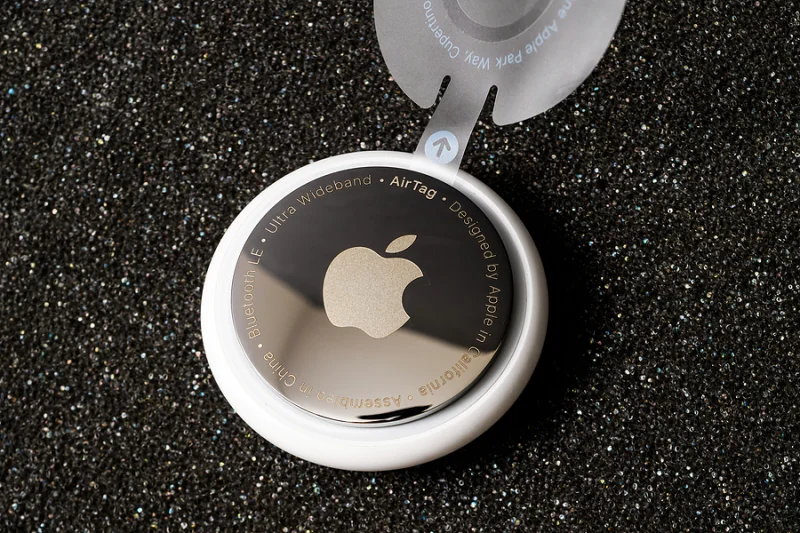
Emmanuel Maiberg put a $29 AirTag into a rare book and watched it move from California to Milwaukee, sit for two weeks in a warehouse outside Kenosha, Wis., travel west by truck and land at Amazon’s LAS8 warehouse in Las Vegas. The trip led him to a hidden book-handling operation that employees described as cutting old books apart and scanning the pages.
The reason readers are searching for AirTag now is simple: one low-cost tracker turned a murky warehouse route into a map. A seller told 404 Media that the order was for about 1,000 books through Biblio, and agreed to slip the device into one of them. The book then moved through a chain that looks ordinary on paper and strange in practice, ending at a facility where Amazon employees on a workers’ forum described a separate code, VGT3, for work that involved cutting books and passing the pages to other workers to scan bar codes.

That is what gives the story weight. Amazon said it purchases books through commercial channels to help develop and improve the products and services its customers use, but it would not confirm that the point of the scanning was to train AI models. The company also did not explain why a process tied to old books appears to be happening inside a major warehouse that is separate from LAS8’s print-on-demand work. At the entrance to VGT3, employees described a logo showing a T. rex holding an open book, a detail that suggests the operation is real enough to be known on the floor even if its purpose is not being spelled out outside it.
There is also a pattern here that stretches well beyond one book. The Basel Action Network began planting GPS trackers inside old printers and monitors in 2014, and nearly a third of the devices it dropped at Goodwill locations and recyclers around the country were exported. Two old TVs sent to Oregon recyclers were tracked to a warehouse in south Seattle, then to the Port of Seattle and finally to junkyards in Hong Kong, and the trail helped lead to federal conspiracy charges against Total Reclaim. ABC News later hid trackers in plastic bags dropped at Walmart and Target recycling bins in 10 states, while Finland’s public broadcaster used trackers in used clothing to follow where donated fast fashion ended up. The method has a long history; what changed here is that it was turned on books.
The unanswered part is the one Amazon has left hanging. Booksellers told Maiberg that the big bulk orders never included the very rarest titles, only books old enough to predate ISBNs, which suggests the company wanted inventory with a clear path but not the most valuable material. If Amazon is using the Las Vegas operation for AI training, it is not saying so. If it is doing something else with the scanned pages, that has not been explained either. For now, the AirTag has done what the warehouse labels would not: it showed where the book went, and pointed to a process that still does not want to be named.